
Otter wants AI agents to mine your meetings for institutional knowledge
 Business Economic Syndicated News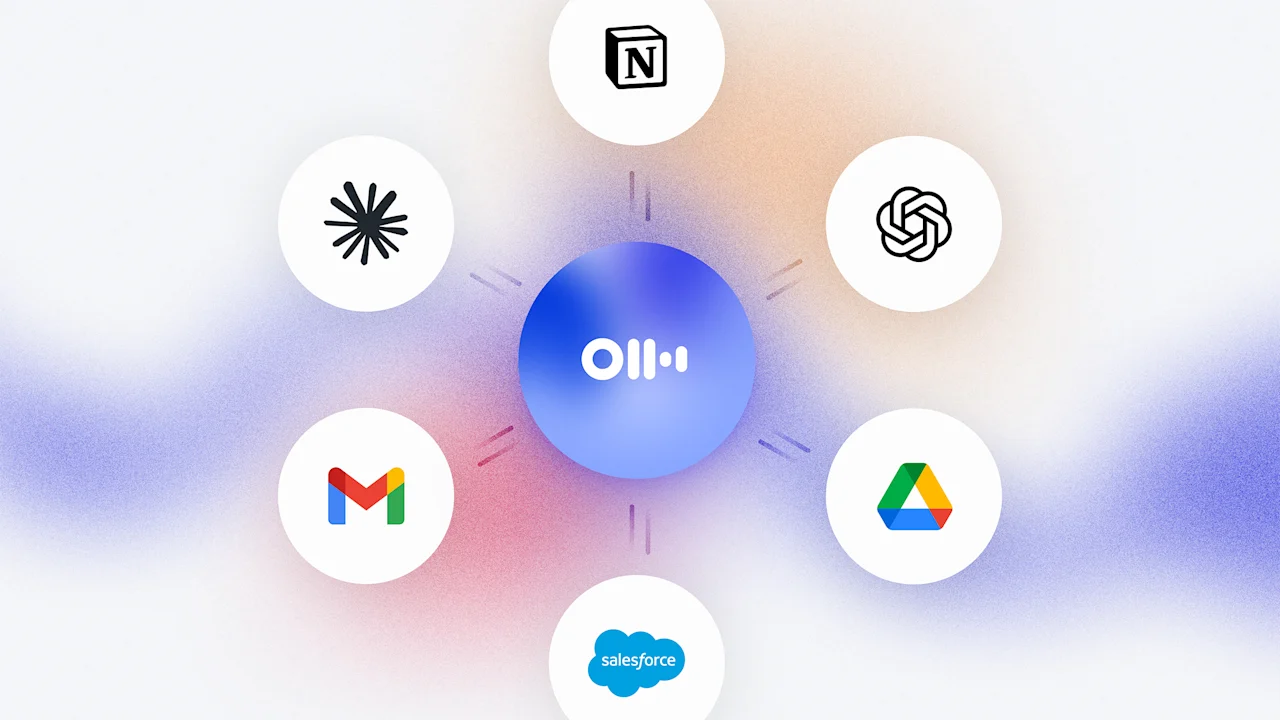
Otter wants to turn your work meetings into institutional knowledge.
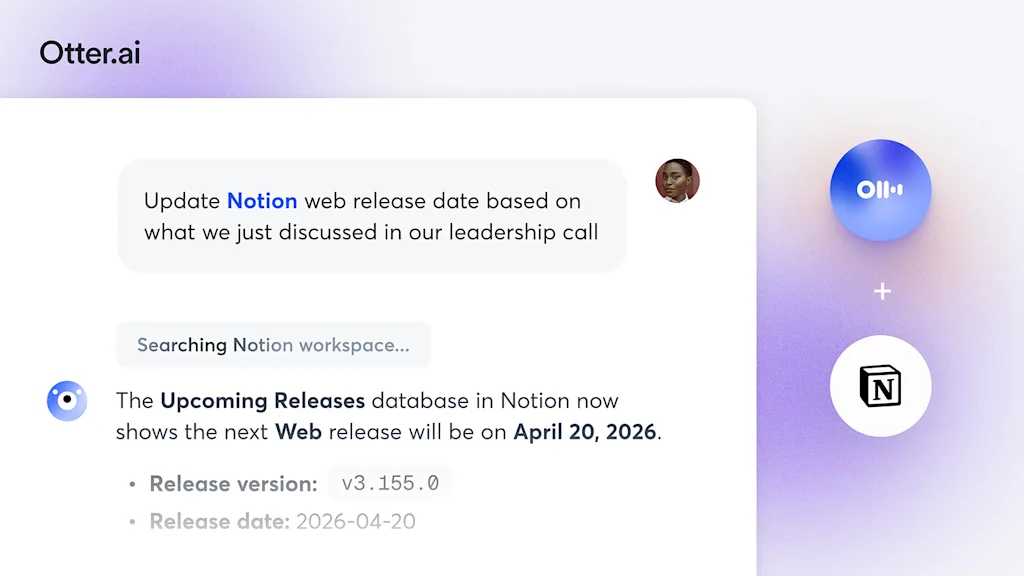
The company is known for its audio transcription tool, which has evolved over the years to be able to join and transcribe online meetings in real time and answer questions about them via an AI chat tool. It’s now adding additional AI features to make it easier to integrate knowledge from those recorded meetings with other information, including integrations with other software like Google Drive, Jira, Salesforce, and Notion. Those will let Otter’s AI access live data from those apps, so it can pull data from an email or customer database as needed to best answer a follow-up question from a recorded meeting.
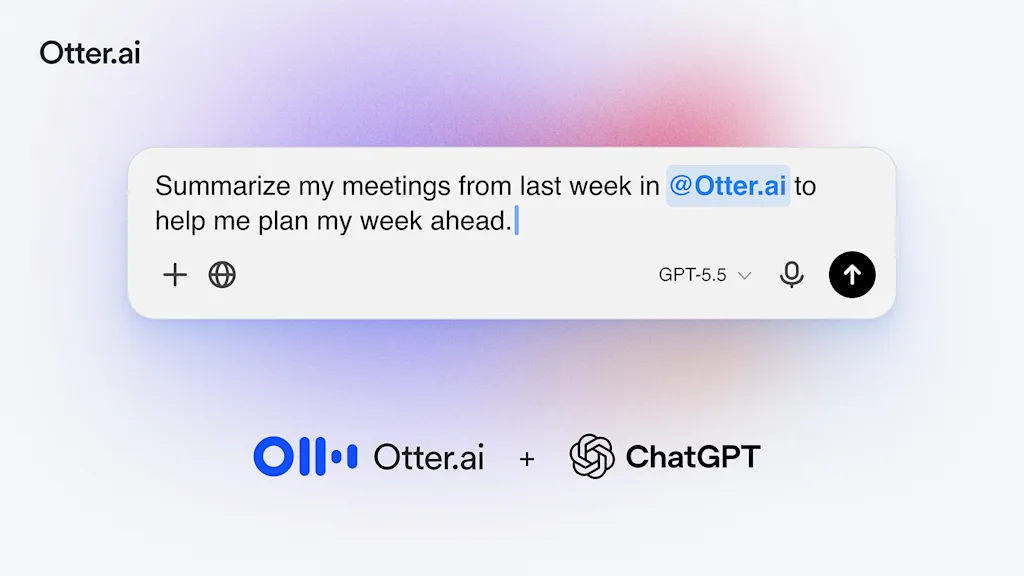
Otter has also now added server functionality that lets other AI tools, including ChatGPT and Claude, connect to it via the popular model context protocol (MCP), so other AI agents can also access data from Otter with permission. Additionally, enhancements to the AI chat feature itself will make it easier for users to specify when to pull insight from particular meetings, from multiple meetings, and from other data sources to which they have access.
The aim is to help unlock knowledge that’s primarily or exclusively shared in meetings and make it available to both human workers and AI agents, says Otter cofounder and CEO Sam Liang. One challenge for corporate knowledge bases, he says, is that information stored in written documents can lag behind reality.
“People create documents, but documents become obsolete really fast,” he says, with the latest updates presented via meetings.
But even when that’s known to be the case, and even as research repeatedly shows white-collar workers spend a big portion of their time attending meetings, information from those meetings often isn’t easy to access in a systematic way. Even AI-generated transcripts can end up stored in the accounts of individual users rather than broadly available. Otter has already developed what it calls channels—essentially groups of users who have shared access to meeting recordings and transcripts—and the company suggests its AI agents will be able to surface new insights from collections of meetings, like aggregating trends from multiple sales calls or departmental meetings.
An improved Otter desktop client for Mac and Windows will also make it easier to record more meetings from a computer, Liang says, though he says many companies do prefer Otter’s AI agent which can conspicuously join calls on platforms like Zoom, giving everyone clear notice the meeting is being recorded.
In general, broader recording of meetings and harnessing AI notes may raise privacy and legal concerns at some organizations. But Liang emphasizes that Otter’s channels allow companies to control who has access to meetings internally and that it gives organizations control over how long both audio and transcripts are retained.
“We provide a data retention mechanism so that enterprises can decide how long they want to keep the audio recording,” he says, and users can also pause recording—and even eject Otter’s AI notetaker entirely—if they want some of a meeting to be off the record.
The new Otter features come as a growing number of companies vie to become an organization’s central AI hub, with AI labs like OpenAI and Anthropic, workplace productivity businesses from Slack to Asana, and office software makers like Google and Microsoft all offering tools to command AI agents and regulate their access to corporate data. Otter also faces no shortage of competition in the meeting transcription market, with comedy website Clickhole noting earlier this month that “all the random AI programs on your computer are desperately fighting for permission to summarize your meeting” and even pasta sauce maker Prego looking to record household dinner table conversations.
But Liang says Otter still has features that competitors don’t, like the ability for AI to cleanly separate opinions of different speakers in a meeting, and the option to set up custom templates for how meetings are summarized. Additionally, Liang says, Otter’s AI is optimized to be able to reliably answer questions using information from hundreds of meetings, letting users quickly analyze what took place in sales calls they didn’t personally conduct or get up to speed on what’s already been discussed about a particular project.
“You get intelligence from hundreds or thousands [of] meetings, even though you didn’t attend them,” he says.