2 new Chase Sapphire airport lounges are coming. Here’s what to expect and when
 Business Economic Syndicated News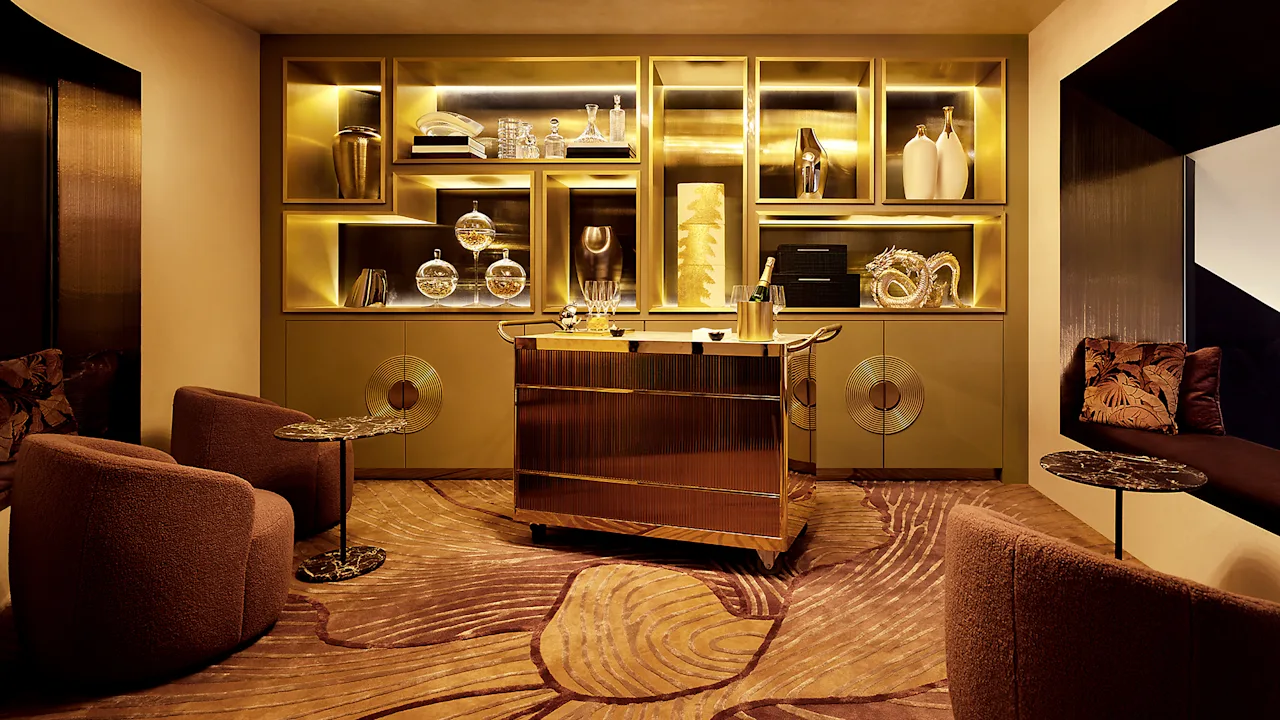
For years, premium credit cards competed on points, perks, and airport lounge access. Now the lounge itself is becoming the strategy.
Chase is the latest to double down.
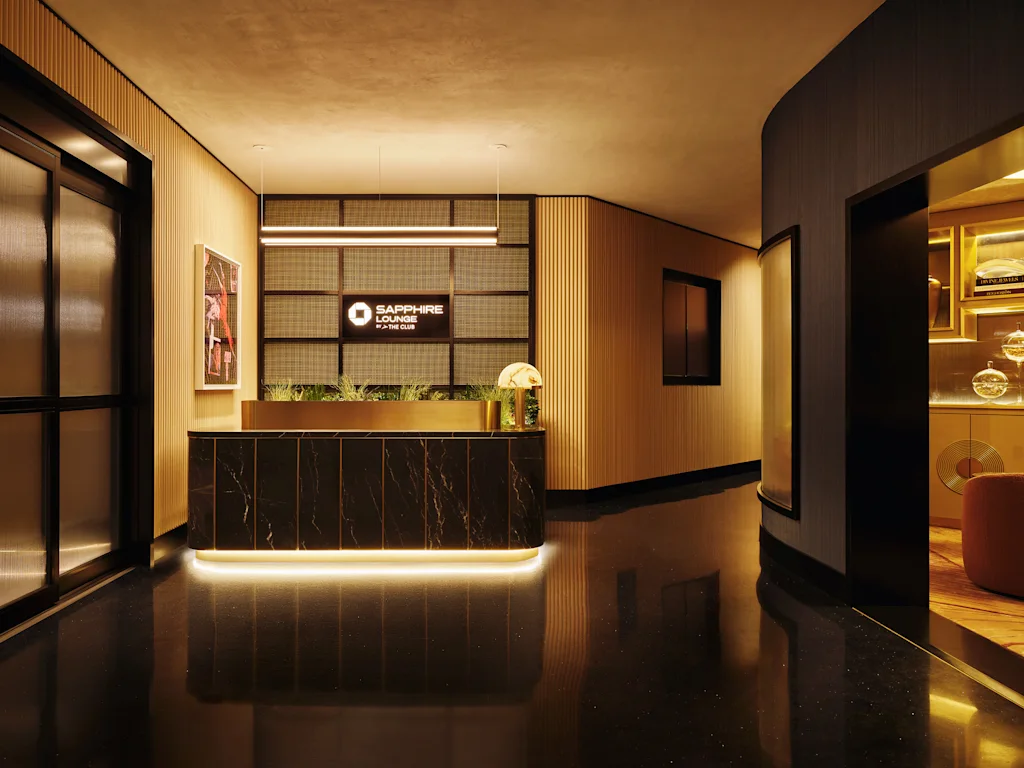
With new Sapphire Lounge locations planned—starting with one at Dallas Fort Worth International Airport and another at Los Angeles International Airport—the company is expanding its footprint at a moment when airport lounges have become one of the most competitive battlegrounds in consumer finance. The move follows a wave of recent openings that show how Chase is trying to differentiate not just on access, but on experience.
“We’re really excited,” Dana Pouwels, head of airport lounge benefits at JPMorgan Chase, told Fast Company in an interview. “Dallas is opening this year, and Los Angeles will be opening within the next 12 months.”
Specific details of those lounges are still under wraps, but the broader strategy is already visible, and it’s less about square footage and more about turning the airport into part of the destination.
The lounge arms race is splitting in two directions
To understand what Chase is doing, it helps to look at its biggest rival.
American Express, which helped define the modern airport lounge with its Centurion network, is expanding in two directions at once. The company is building larger flagship lounges in key hubs like Boston and Dallas Fort Worth, while also rolling out smaller “Sidecar” spaces designed for travelers with limited time.
That split reflects a simple reality. Not all travelers use lounges the same way. Some want a place to settle in for hours. Others want something closer to a high-end restaurant that they can move through more quickly, such as Capital One’s recently launched LGA lounge with José Andrés.
Chase, at least for now, is leaning harder into the first camp, but with a twist.
Designing for the destination, not just the delay
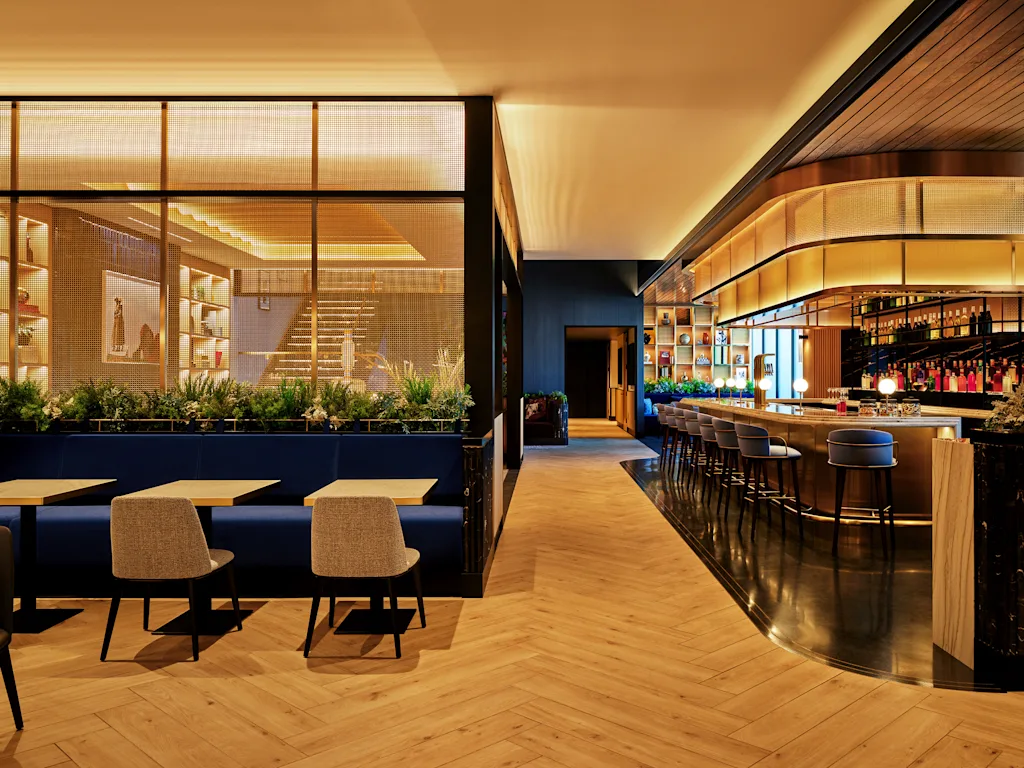
If there is a defining feature of Chase’s lounges, it’s how much they try to feel like the city in which they’re located.
The Las Vegas lounge, opened at the end of 2025, pushes that idea to its limit, leaning into theatrical design and playful details.
“We went for bold and shimmering finishes, and it’s really just inspired by that city’s nightlife,” Pouwels said.
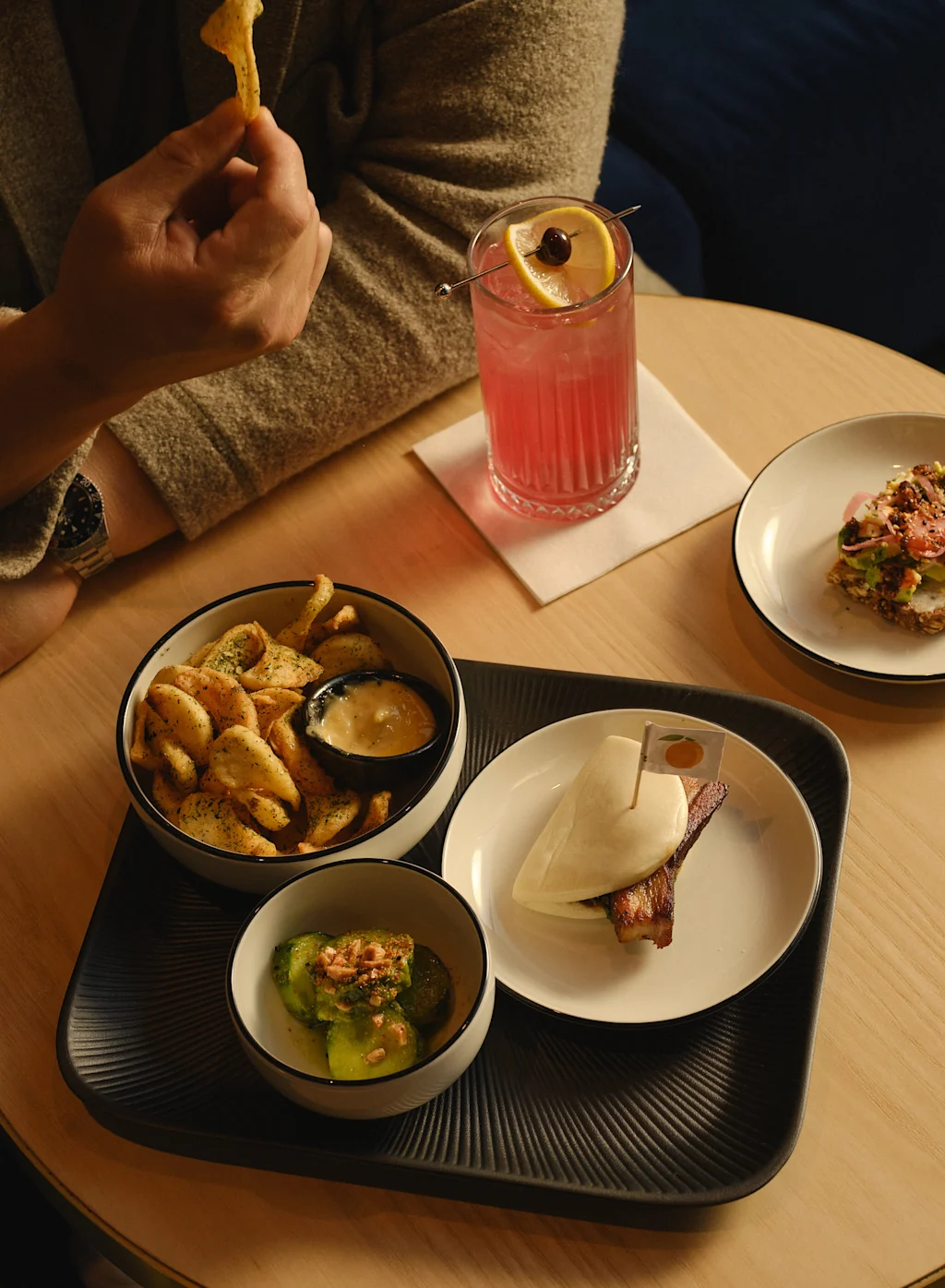
The lounge includes a champagne parlor, a menu created with Momofuku founder David Chang, and cocktails that nod to the city’s history, like a jet-black libation topped with edible gummy dice.
The Philadelphia lounge takes a different approach. There, Chase built a 20,000-square-foot space centered on the city’s beer culture, complete with a beer garden and a beer flight program that proved so popular it’s already been replicated by Chase in its Boston lounge.
Beyond the food and drink offerings, the Philadelphia lounge also includes sports memorabilia, retro arcade machines, and one of the lounge network’s only TV-equipped spaces, a deliberate nod to local fan culture.
The goal is consistency in quality, but not in sameness.
Data decides where to go next
Behind the scenes, Chase’s expansion is driven as much by data as design.
“We’re always looking at the top places where our card members travel to and through, and also where they live,” Pouwels said.
Los Angeles stands out as a priority, ranking as the second-most-booked destination for Chase cardholders in 2025. Dallas checks multiple boxes, serving as both a major travel hub and a city with a large Chase employee base.
Still, demand alone is not enough.
“The location has to be right in terms of the airport, but it also has to be right in terms of the terminal and the amount of space that’s available,” Pouwels said.
That constraint helps explain why lounge growth, across the industry, has been steady but uneven.
The post-pandemic traveler wants something different
What is changing fastest is not where lounges are built, but what travelers expect from them.
According to Pouwels, that shift started during the pandemic, when people grew accustomed to highly personalized environments at home and began expecting the same from travel.
“Our lounges really have evolved to be more personalized experiences,” she said.
That means more than just comfortable seating. Travelers are looking for discovery, whether that is a local chef, a regional drink, or a design element tied to the city.
“They want to see something or learn something different every time they’re on a travel journey,” Pouwels said.
American Express is responding to that demand by segmenting its lounge experience into multiple formats. Chase, meanwhile, is trying to build a sense of discovery into every location.
Lounges as a loyalty engine
The bigger play is not the lounge itself. It’s what the lounge represents.
Chase sees these spaces as part of a broader travel ecosystem that starts before a trip is booked and continues through the airport and beyond.
“We’re really focused on the end-to-end travel journey,” Pouwels said.
That includes everything from trip planning to the airport experience itself, which has become a central touchpoint.
“We really want to ensure that we’re bringing the local element of the city into the airport experience. . . . and really, the lounges are a natural extension of that, right? Enhancing every step of the card member’s travel journey,” Pouwels added.
In other words, the airport is no longer just a stop along the way. It’s part of the product.
What comes next
With the Dallas lounge set to open this year and the one at LAX expected within the next 12 months, Chase’s new wave of lounges will test how far that strategy can go.
The competitive pressure is only increasing. American Express continues to scale both larger and smaller formats. Other issuers, like Capital One, are experimenting with their own concepts. Travelers are gaining more access and, in turn, becoming more selective.
For Chase, the bet is that the future of loyalty isn’t just about getting people to travel. It’s about owning more of the journey once they do.