
Like Jamie Dimon, AT&T CEO says if you attend a meeting, you need to show up prepared—he ‘craves’ people who don’t just sit back and observe
 Tomas Kauer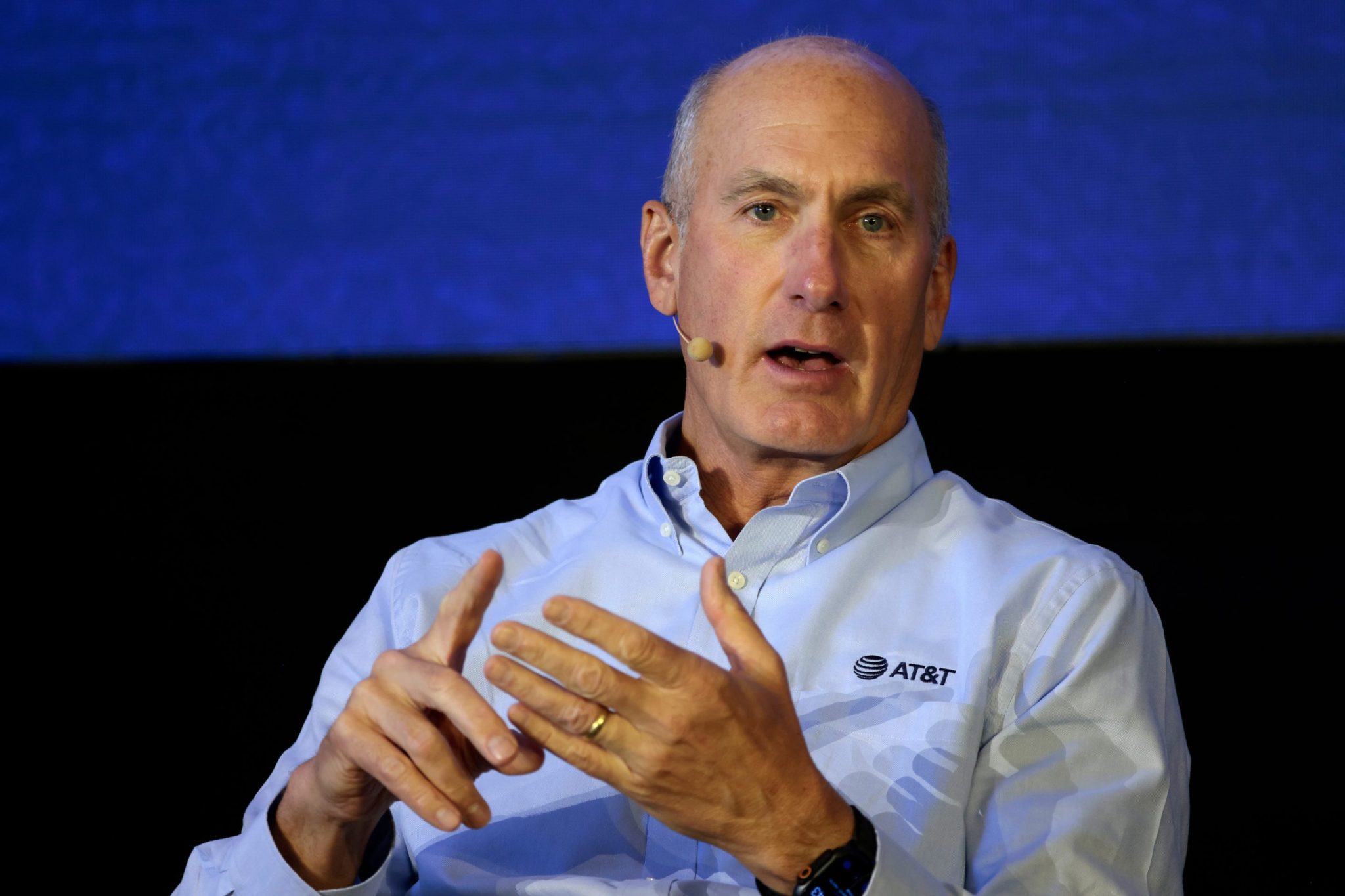
Surrounding yourself with a bunch of yes-men is not a recipe for success—at least according to AT&T CEO John Stankey. Instead, he wants employees to come to meetings prepared to share their ideas and perspectives—not simply sit back and listen.
“I love discourse,” Stankey said in a recent joint interview with JPMorgan Chase CEO Jamie Dimon hosted by LinkedIn. The telecommunications executive added that one of the principles in his company’s cultural documents is to not show up to meetings without having done your homework.
“Don’t walk in there and just be an observer,” Stankey said. “When you have a point of view, it shouldn’t just be some uninformed opinion. It should be a point of view that’s built on facts, information, and data. I crave that.”
If employees aren’t willing to speak up—or don’t have a constructive point to make—Stankey suggested there may not be the right people in the room.
Dimon has similarly emphasized the importance of making sure meetings are both necessary and productive. Leaders should create an environment where employees aren’t afraid to disagree or raise uncomfortable issues in meetings—even if that means putting the proverbial “dead cat on the table,” he said.
“I am never upset when someone says I’m wrong about something,” Dimon added. “I just want to do the best I can for our clients, our country, our company.”
That leadership strategy has had varying results for the two companies. JPMorgan’s stock is up more than 17% over the past year, while AT&T’s has fallen about 12%.
Stankey and Dimon are rethinking meeting prep—but Dimon has always had etiquette on his mind
The two Fortune 500 CEOs also discussed how they’re preparing for meetings in the age of AI. Both have long highlighted the importance of pre-reading materials, but Stankey and Dimon suggested that approach may be changing.
“I’m starting to wonder if reading is the best way to go,” Stankey said. “As I’ve gotten more into the dialog dynamic with AI, I can consume, I think, faster now in a directed conversation.”
“I do that same thing,” Dimon added. “I use Gemini or Google, and deep dive to get information very quickly. I try to do all my previews before I go to meetings.”
Still, the underlying principle hasn’t changed: Dimon has long argued that showing up prepared is essential.
“When I go to a meeting, I’ve done the pre-reads, and you get 100% of my attention,” he said at Fortune’s Most Powerful Women conference last year. Otherwise, Dimon believes in eliminating meetings altogether when they aren’t a productive use of employees’ time.
Dimon has thought about proper meeting etiquette his entire career. In an early Fortune profile of Dimon as a then-28-year-old Harvard MBA working as an assistant to American Express president Sanford “Sandy” Weill, Dimon believed his best role was often to stay out of the way and soak everything in.
“My first goal was to learn something and not say anything until I could add some value,” Dimon said at the time.
But that mantra might not fly in Stankey’s conference room. A young Dimon might find himself getting cold-called—and expected to have a point of view.
This story was originally featured on Fortune.com