
Executives need a point of view
 Business Economic Syndicated News

There was a time when executives could hide behind a brand. Not anymore. Today, people want to know the humans behind the companies they buy from, work for, and invest in. They also expect them to sound like people, not talking points with the life edited out of them.
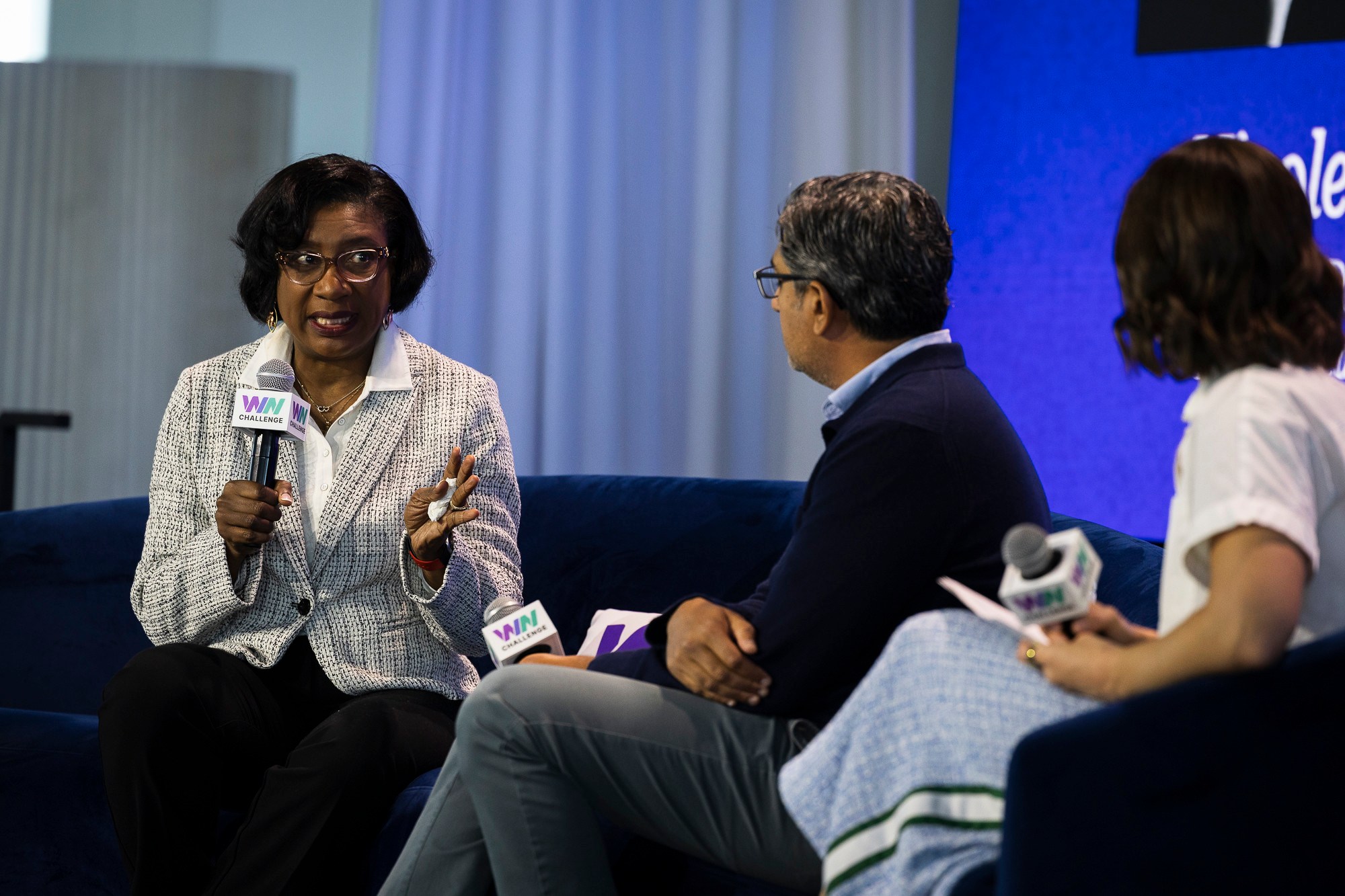
That expectation has made executive visibility a major part of the job. Leaders who speak credibly in public build trust and create awareness, while giving people another way to understand the companies they represent.
A TRUSTED BRAND NEEDS TRUSTED VOICES
Not every leader needs the same kind of public profile, however. What matters is that when they do show up, they bring more than the company line. They bring their own experience, expertise, and perspective. They should also take part in the conversations shaping their industries, not just show up when the company has something to announce.
But, as with all things in life, there is a balance. Leaders must be careful not to swing too far in either direction, whether being too promotional of their company or self.
I recently chatted with a long-standing partner of ours, Len Covello, CTO and cofounder of Engage People. He explained, “Executive visibility is about making the expertise and perspective behind a company accessible to the people who need to understand and trust it…(Not being too promotional) helps give you credibility and positions you as an industry expert rather than someone who is only talking about their own company.”
And that credibility shouldn’t rest on a single person. When one founder or CEO becomes synonymous with a company, the brand can become overly dependent on them. Organizations should develop a bench of curated spokesperson executives who can speak about different areas of the business.
During a recent conversation with another Caliber partner, Mylo’s president and COO Belen Tokarski shared that “…having multiple spokespeople demonstrates the credibility of the team. We are not one leader, but a group of professionals who work well together.”
Covello added, “When visibility is distributed thoughtfully, it makes the company feel more human and gives people a clearer sense of the expertise behind the brand.”
The goal is to give multiple credible leaders a voice.
BALANCE PERSONAL WITH PROFESSIONAL
One of the most difficult aspects of building an executive brand is determining how much to say and what is worth saying. Some executives become so concerned about how their comments might be perceived that what they say ultimately sounds inauthentic and robotic. Or they just stay silent.
Others go too far in the other direction, becoming so comfortable sharing that they create the opposite problem: too much noise. Every company update or personal experience becomes an opportunity for posting, and eventually people tune them out.
Tokarski believes, “It’s important…to be a vocal advocate for everything we do that’s unique in the industry. But that doesn’t mean screaming louder than others.”
One way to achieve an effective balance is for the executive to assemble a small, trusted group of advisers who can provide candid feedback.
PLAY TO YOUR STRENGTHS
As an executive wondering about your personal brand, think about what you would share at a board table or dinner with a colleague or client. What perspectives do others seek from you? What issues could you comfortably discuss without relying on a script?
Those conversations are often the strongest foundation for a personal brand. If what an executive discusses publicly is completely different from what they would naturally talk about in person, the content can feel forced. Audiences pick up on that almost instantly. So start with what feels natural, build confidence, and expand from there.
MOVE THE BUSINESS FORWARD
As with any business strategy, companies should consider how executive visibility supports broader goals, and then identify ways to measure its impact.
For one executive, the goal may be becoming a more recognized voice in their industry. Another may be focused on recruiting, building relationships with prospective clients, or raising awareness around a particular area of expertise.
No single metric tells the entire story. A few key metrics—dare I say KPIs—are worth looking at. That might mean media share of voice, engagement, or speaking opportunities, alongside broader business outcomes like client and employee retention, sales, or recruiting data over time.
There’s also a newer metric worth watching, and the stakes are real. LinkedIn ranks as a top source for LLM citations, with personal profiles accounting for 75% of all LinkedIn citations. As AI search reshapes how people find companies and expertise, executive activity on LinkedIn could be the difference between being discovered and being invisible.
NO UPSIDE TO INVISIBILITY
Ultimately, there is no universal formula for building the right executive profile—and that’s a good thing. The appropriate balance between corporate messaging and personal perspective should vary depending on the leader, audience, and situation.
What is clear is that executives who never show up are leaving an opportunity on the table.
When companies encourage leaders to share their perspectives publicly, they create more opportunities for audiences to learn about the expertise and people behind the business. And that visibility can strengthen the company’s reputation and support outcomes that matter to the business’s bottom line, from recruiting and retention to client relationships and sales.
Grace Keith Rodriguez is CEO of Caliber Corporate Advisers.