






















Turning the tide on China’s dominance of the rare earth market is possible. Here’s what it would take

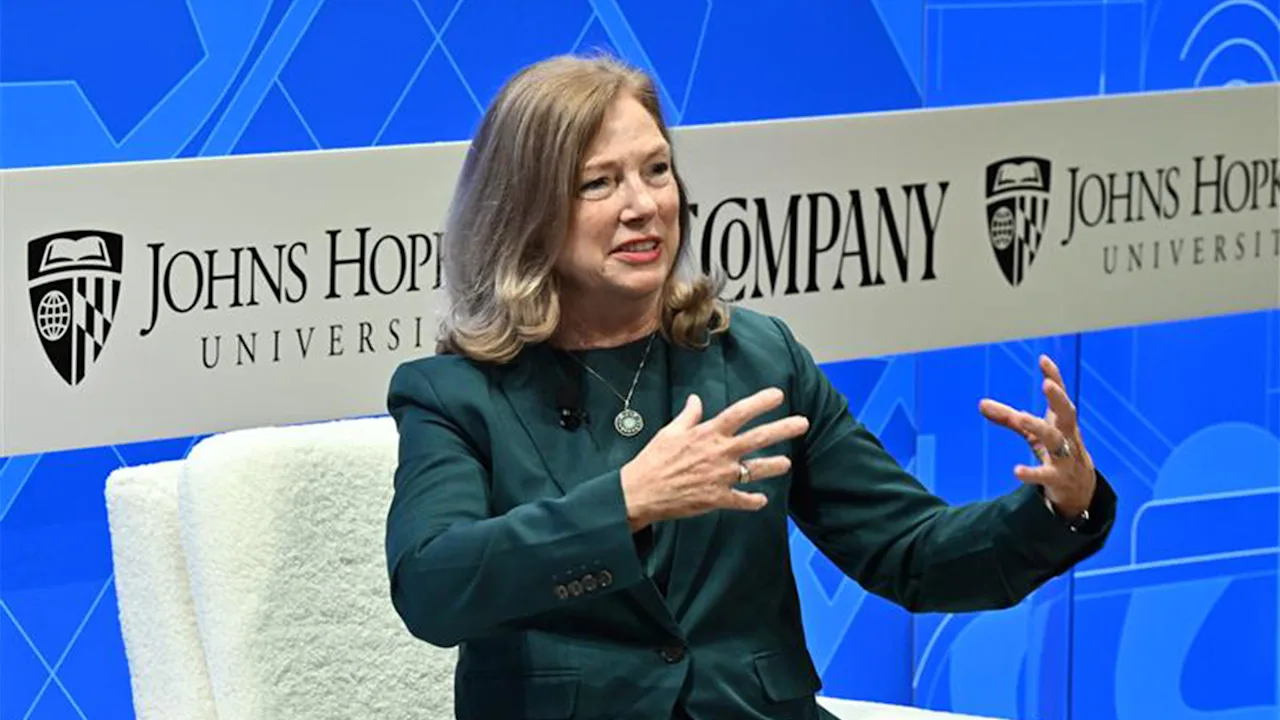
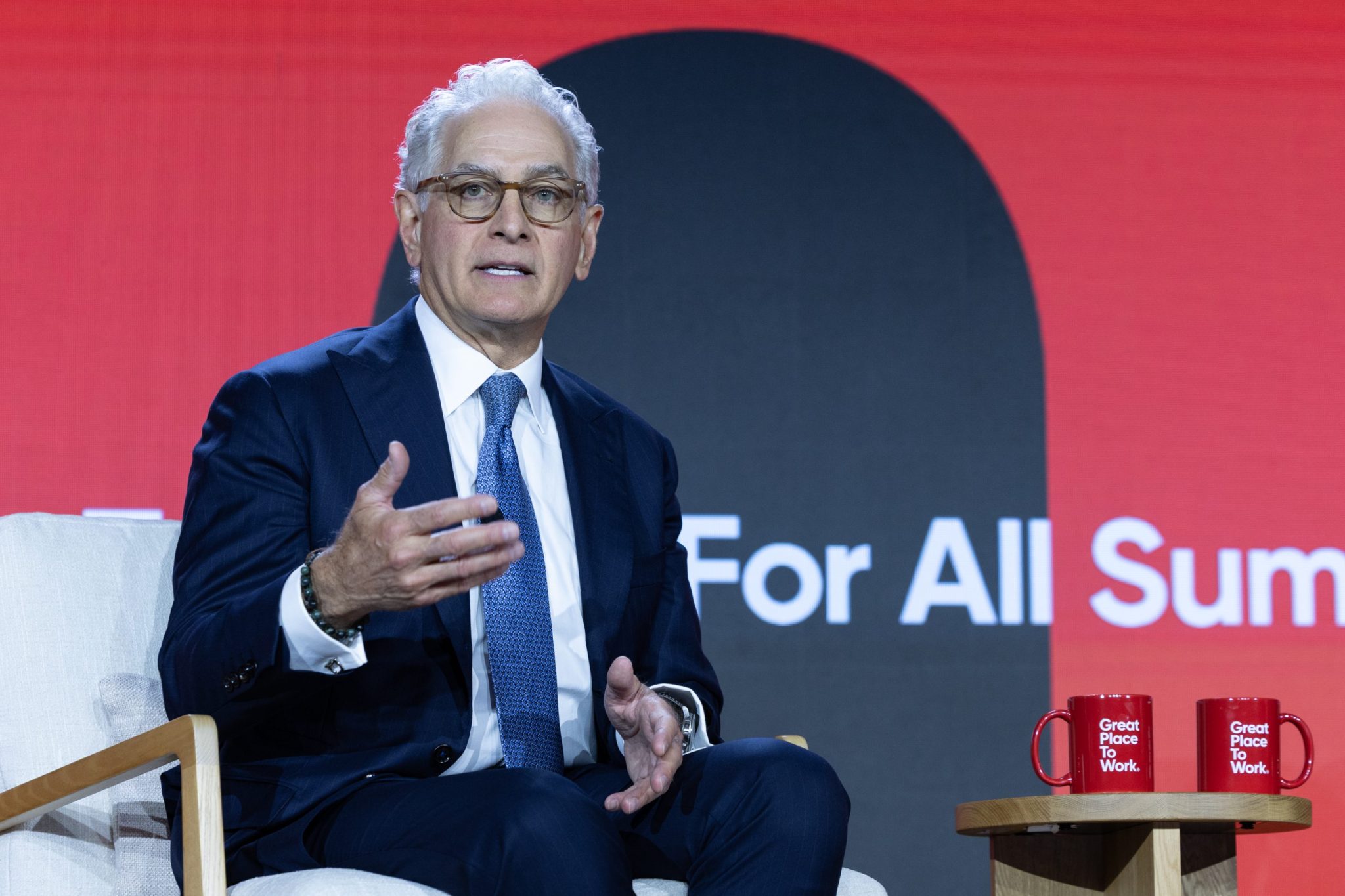
Rare earth minerals are so ubiquitous and critical to much of today’s technology, that tonight’s dinner might not have made it to the table without them. And according to USA Rare Earth CEO Barbara Humpton, for decades, the world has sat back and let China become the sole supplier of these minerals, even as the country has used its dominance in this market as a geopolitical game piece.
“We believe it’s time to take the game piece off the board,” Humpton said at last month’s World Changing Ideas Summit, cohosted by Fast Company and Johns Hopkins University in Washington, D.C.
USA Rare Earth is wholly dedicated to bringing rare earth metals mining to the U.S., and changing this dynamic is “humanly possible,” says Humpton—though it will require the support of governments, academia, and private industry.
“We’re gonna have to use some real strategy to actually turn the tide,” she says.
It may be difficult, but there are already some early signs of progress, as governments that include the U.S., Japan, and the European Union have collaborated to agree on supporting a rare earth supply chain beyond China.
Getting academia involved to educate students in magnet-making and rare earth processing is also a priority, Humpton says, along with securing the support of major industries that rely on these minerals, like the automotive sector.
A good chance to turn this around
According to Humpton, many countries—the U.S. included—were “perfectly happy” to let China dominate this market, because it was cheaper and less messy for them. But China’s behavior in recent years has led to this moment, she says, adding that there are many benefits to bringing this type of mining to the U.S., including the potential for economic development, and addressing some environmental concerns to mitigate consequences and utilize cleaner extraction techniques.
“Because we are in an area where it’s a relatively small market, a relatively small number of companies, we have a good chance to turn this around,” she says. “If we don’t get started, we’ll never get done.”