These apparel, beauty, and wellness labels don’t just sit around looking good—they are Brands That Matter in 2026
 Business Economic Syndicated News
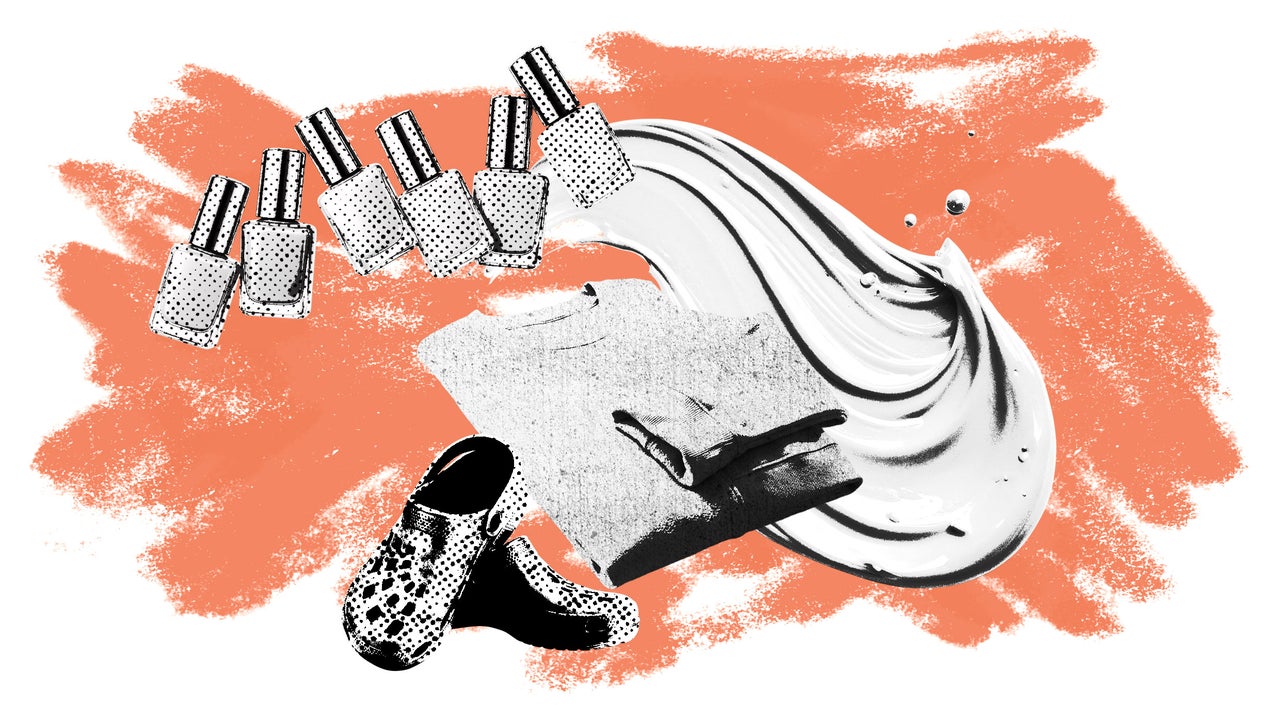
With wellness, apparel, and beauty content flooding social media, it can be difficult to stand out. But several brands used unorthodox partnerships and campaigns recently to turn unsexy products like plain bathrobes, Crocs, and dermatologist-approved moisturizer into desirable products. Others, meanwhile, such as Aerie, Bur Bur, and Reformation, found novel ways to double down on their previous bold stances to further promote their authenticity.
Aerie
As AI images infiltrate social media ads, presenting viewers with unrealistic body standards and making it hard to distinguish between real and fake, Aerie took a stand. The intimate apparel and lifestyle brand pledged in 2026 not to use the technology in its advertising (it had already pledged not to retouch any images in its campaigns in 2014). To amplify its message, Aerie partnered with Pamela Anderson—who has become famous and revered for her natural look—on a campaign that the brand says generated more than 8.3 billion organic impressions and received 99% positive sentiment.
Read more about Aerie’s Stacey McCormick, one of Fast Company’s CMOs of the Year honorees.
Bombas
Bombas has always been about giving back, and in 2026, it gave that mission new elasticity. Beyond donating more than 200 million items to date (including another item donated every second), the sock brand launched an athletic subline, Bombas Sport, and opened its first stand-alone stores. It also encouraged customers to join in on its activism with its new Giving Directory, which provides insight on the brand’s wide network of collaborators working to support people facing housing insecurity and homelessness.
Brooklinen
Plain bathrobes aren’t exactly considered high-fashion, but bedding and home goods brand Brooklinen found a way to turn the humble bathrobe into a covetable accessory. After Alexander Skarsgård wore a periwinkle SNL-branded version of its signature robe during a monologue on Saturday Night Live that reached 4 million viewers, the item took the spotlight and was featured in People magazine. A fifth of the brand’s new customers ordered the robe, and over the course of 2026, revenue from robes rose by 26%.
Bur Bur
Bur Bur was inspired by a hair mask that cofounder Ksenia Zaytseva’s grandmother used to make, featuring burdock oil to promote scalp and hair growth. To reach customers, the company hosted intimate salon events and retail pop-ups, as well as marketing and influencer campaigns, all focusing on their family story. Through this storytelling, the brand has made unglamorous hair-loss treatments look like luxury, aspirational products. In the past year, Bur Bur itself had a glow-up, expanding into Revolve, Anthropologie, Nordstrom, and Credo Beauty.
CeraVe
CeraVe made its partnership with the NBA a slam dunk. Read more here about how it made Kevin Durant “The New Face of Legs” and Carmelo Anthony “Head Coach.”
Crocs
Crocs maintained its cultural relevance by launching high-profile, unexpected collaborations and celebrity partnerships with the NFL, Swarovski, Krispy Kreme, and fashion designer Simone Rocha. The brand also opened its first store in New York City’s SoHo neighborhood, where users can customize their crocs and buy exclusive items, and staged a 744-hour livestream that added 87,000 TikTok Shop customers, making it the platform’s No. 1 footwear brand.
Essie
This year, heritage nail brand essie marketed itself as a cultural color authority, bringing its “Cheeky Luxury” marketing strategy into beauty, fashion, sports, and entertainment. It forged its first sports partnership, with the WNBA: The New York Liberty’s Ellie the Elephant became its “mani mascot.” The partnership, which promoted the brand’s Dopamine Rush collection, featured a VIP suite at Liberty games, helping Essie reach younger consumers.
Merrell
Merrell recognizes that not everyone has access to the stereotypical “great outdoors,” but it makes a compelling case that anywhere outdoors can be great. The performance footwear brand took strides to increase interest in getting out of the house with its global “It Starts Outside” campaign. That messaging translated to action with the Merrell Outside: Futures Project, a program to create new pathways into footwear design. Merrell’s campaign also includes the Outside in the City initiative, a multiyear project encouraging urbanites to get outside within their cities through local activations and collaborations, starting with New Yorkers.
My Fitness Pal
To promote its AI meal-planner tool and differentiate itself in a crowded dieting space, 20-year-old My Fitness Pal eschewed traditional fitness influencers and linked forces with comedian Adam Devine and the Philadelphia Eagles (immediately after their Super Bowl win). The tool is intended to help users figure out what to eat on the fly, which the company estimates can save them more than 40 hours a year. By partnering with Devine (in a campaign that drove 2.3 billion earned impressions) and an NFL team that already uses the app (525 million earned media impressions), My Fitness Pal broadened its appeal to the everyday customer.
Parfums de Marly
Seventeen-year-old fine fragrance brand Parfums de Marly wafted over the red carpet this year, emanating from megawatt celebrities including Amal Clooney and Angelina Jolie. Instead of adopting the standard celebrity endorsement playbook, the company fashioned its perfume into a red carpet accessory by partnering with A-list hairstylists. These inherent beauty influencers used Parfums de Marly fragrances as finishing touches on clients attending the Met Gala, Academy Awards, and other events. The partnerships led to 110 media placements for the brand and a 42% year-over-year increase in sales, to $780 million.
Ralph Lauren
The clothing company made cultural inclusivity a meaningful part of its brand. Read more here about Ralph Lauren‘s successful Design with Intent initiative.
Reformation
Reformation—which went public in July 2026—committed in 2020 to becoming climate positive in five years. In 2025, the clothing brand announced that it had succeeded. The company raised awareness of its work by taking customers along the journey, sharing what it took to get there, where progress was made, and where challenges remain. Reformation is also establishing itself as a leader in the wider fashion industry, recruiting Dôen and Zimmermann to participate in a life-cycle study of silk.