
Beach cleanups can save the lives of marine animals. This calculator tells you exactly how many
 Business Economic Syndicated News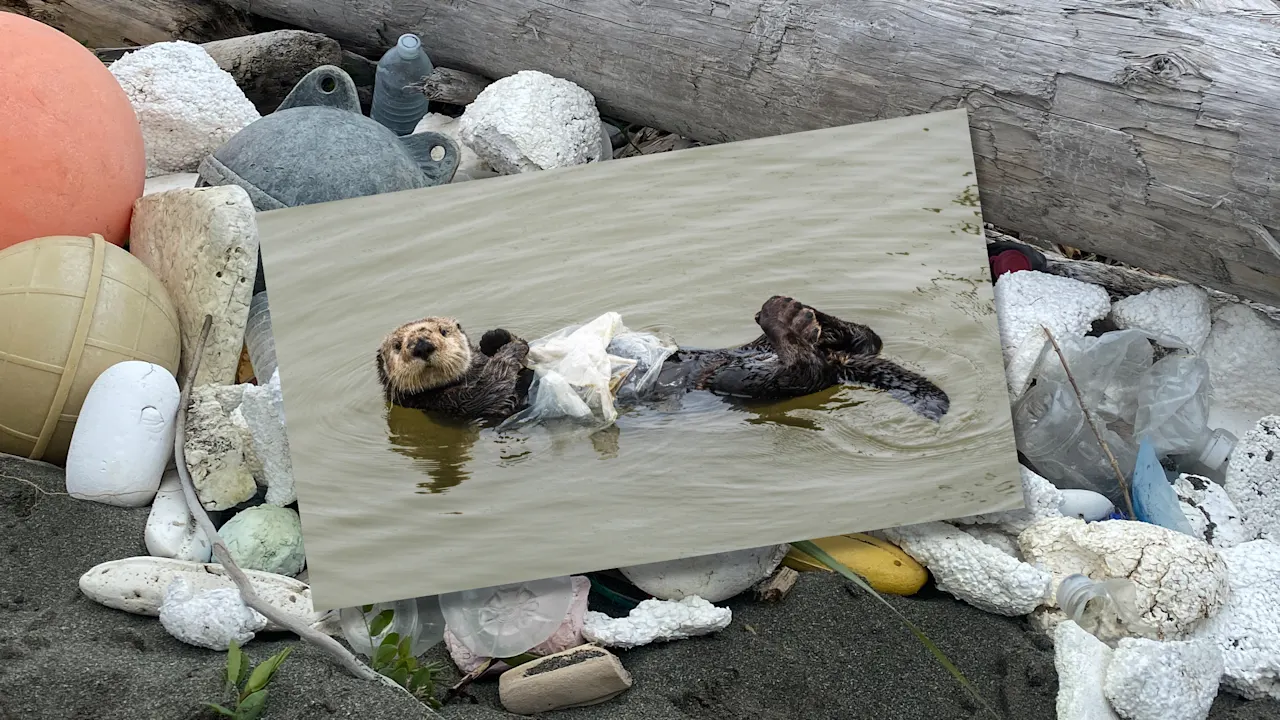
If you pick up plastic trash from a beach, you’re helping protect marine wildlife from harm. And every little piece—from a plastic bottle cap to food wrappers—matters, because even small amounts of this trash can be deadly to animals like sea turtles and seabirds.
A new calculator from Ocean Conservancy can now quantify that impact. If you enter the amounts of different types of plastic that you clean up into the Wildlife Impact Calculator, it will tell you how many animal lives would have been at risk, had those items made their way into the ocean and been ingested.
“We hope that people really see that beach cleanups matter,” says Erin Murphy, Ocean Conservancy’s manager of Ocean Plastics Research and lead co-author of the study that underpins the Wildlife Impact Calculator.
The issue of ocean plastic pollution
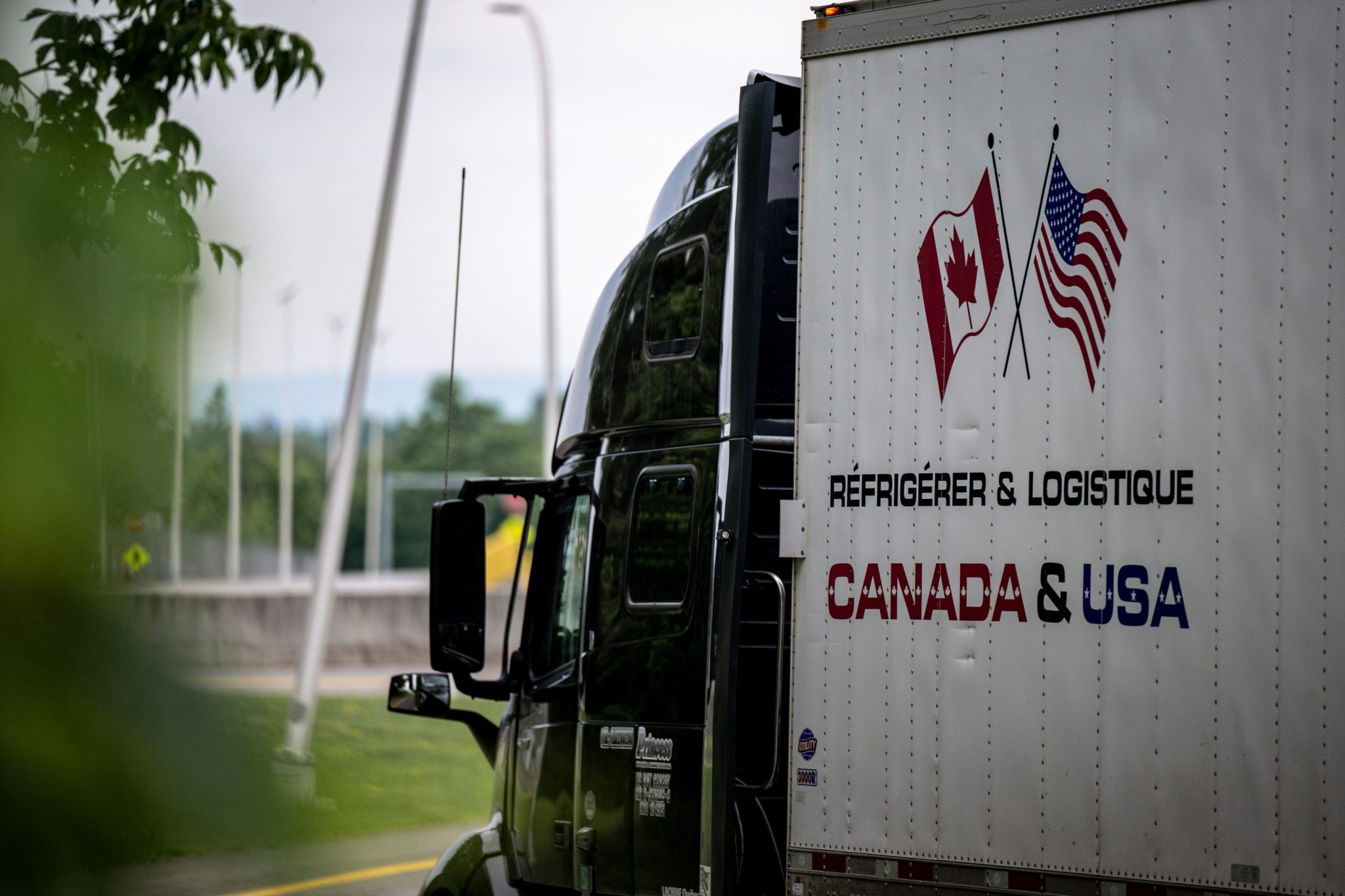
Plastic pollution in the ocean is a massive, global environmental issue. Every day, 2,000 truckloads worth of plastic waste enter ocean waters.
Addressing that pollution would require research into better kinds of food packaging and recycling, and policies like an international plastic treaty.
In the meantime, though, beach cleanups can also make a difference. Ocean Conservancy has been hosting an annual International Coastal Cleanup for 40 years. Nearly 19 million volunteers have taken part, removing more than 400 million pounds of plastics and other debris from coastlines over those decades.
Volunteers count and weigh all the pollution they pick up—with common items ranging from candy and chip wrappers to cigarette butts and grocery bags.
But raw numbers, like the fact that the volunteers collected 1.4 million plastic bottles in 2023’s cleanup, don’t always connect people to the real impact they’re making on wildlife, Murphy says.
With the calculator, that impact is clear, even for small quantities. Say your beach cleanup collected 20 plastic bottles, 15 bottle caps, and 10 plastic bags. Enter those figures into the calculator (which covers more than 20 types of plastic pollution, all of which have been found inside marine animals), and it tells you that you protected five sea turtles and 25 seabirds. It also shares info about such species, plus details on those types of plastic pollution.
Small amounts of plastic can be deadly
The calculator highlights the danger that even small amounts of plastic can pose to animals. And that was the point. The calculator is based on a study Murphy led, published in 2025, that aimed to identify the lethal dose of plastic for all sorts of animals.
“That’s something that at a broad scale hasn’t been done before,” she says. “And what we found was that very, very small amounts of plastic can still kill marine life.”
Just three sugar cubes worth of plastic, for example, has a 90% chance of killing a seabird like the Atlantic puffin, which is only 11 inches in length. For those birds, ingesting less than one sugar cube worth of plastic comes with a 50% chance.
Even bigger animals are at risk: ingesting just over two baseball’s worth of plastic has a 90% likelihood of death for Loggerhead turtles, and for harbor porpoises, a soccer ball’s worth of plastic is deadly.
With the calculator, Murphy says, “We wanted to flip that on its head and understand, what are the benefits of cleanups?” Coastal areas, where cleanups take place, are often where these animals nest or feed, too.
Picking up whole pieces of plastic trash from beaches also prevents that trash from breaking up in the ocean and harming wildlife when they ingest fragments of plastic.
Understanding these risks, and the benefits of cleaning up beaches, could spur regulatory decisions around plastic pollution. But ultimately, Ocean Conservancy hopes the calculator buoys individuals who undertake this effort.
“We know that systemic change is going to be needed to address this plastic pollution globally,” Murphy says, “but it’s just a reminder that every single person can be part of the solution.”