These automated vending machines are moving into NYC’s subway newsstands
 Business Economic Syndicated News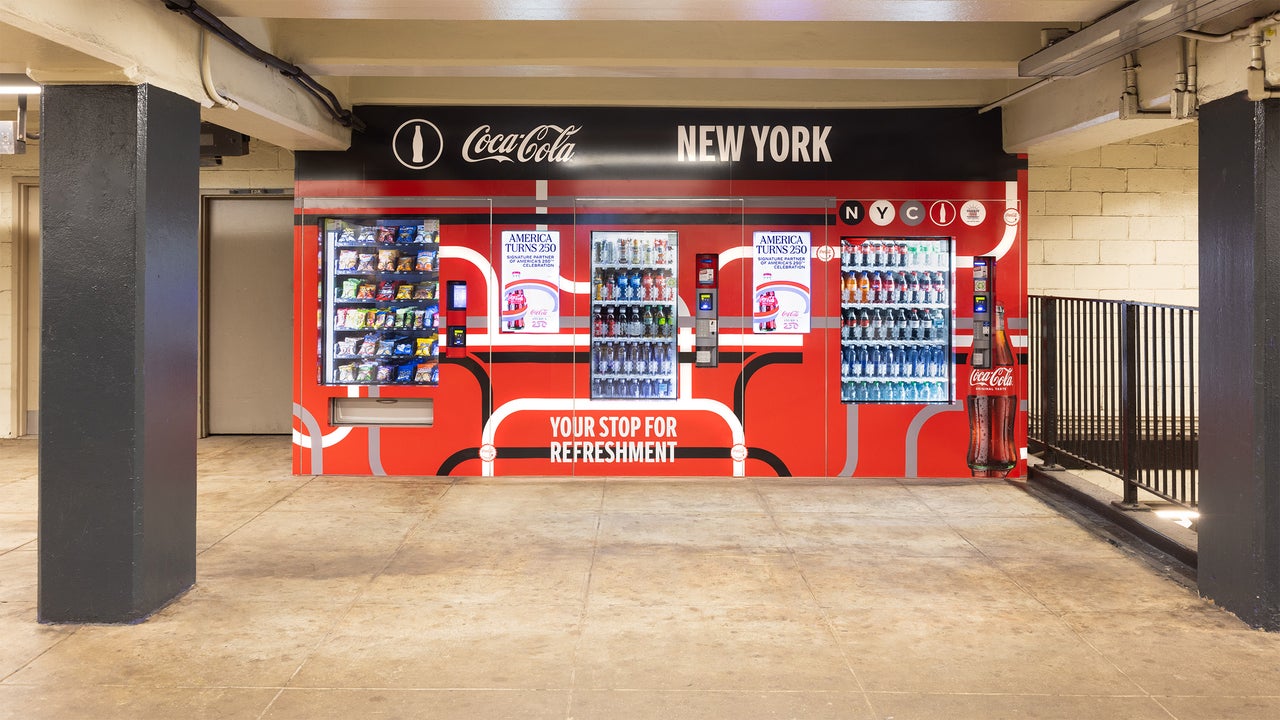
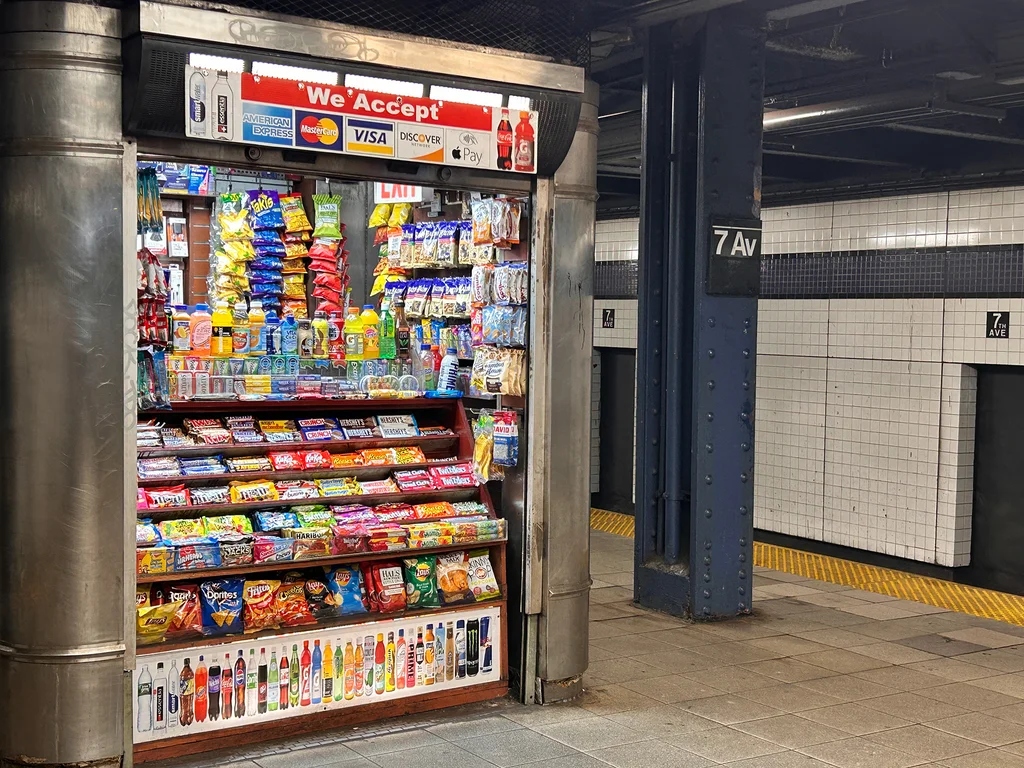
For most New York City subway riders, especially in the years since the COVID-19 pandemic, underground newsstands are often nothing more than a relic of history turned into prime real estate for graffiti and branded stickers.
Once a staple of the commuter experience, the underground retail stops began phasing out with the decline of print media. The nail in the coffin was slowing subway ridership during the pandemic. Only around 52 of the subway’s 195 retail storefronts (which include newsstands) were open in 2024.
It’s still valuable real estate, though. Slowly, these nooks and kiosks across the city’s underground system have started opening their gates to passersby once more, some as gathering spots for musicians and others as a canvas for art—all helping reinvent one of NYC’s most recognizable urban infrastructures into something more useful or delightful for people in the city today.
But riders still need the occasional water bottle on a hot summer day, or a pack of gum before a date, creating an opening for the subway’s latest additions: vending machines.
Rethinking the newsstand
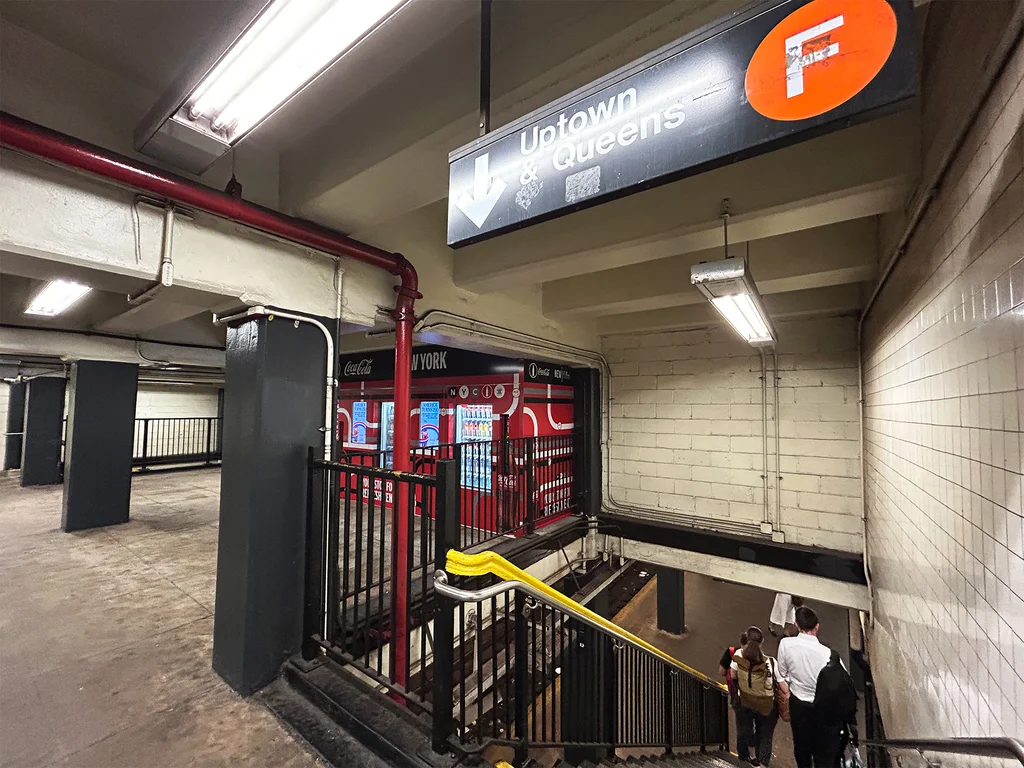
Automated vending machines are moving into subway stations. The hope is these machines will provide New Yorkers with the convenience items they need through a more sustainable business model than conventional newsstands. A project by CC Vending II—a joint venture of CC Vending and Transit Tech NYC—in partnership with the MTA and Coca-Cola, they’re located in three stations so far: 2nd Avenue on the F line, 23rd Street on the R/W, and 116th Street on the Lexington line. They sell drinks, snacks, and even protein shakes. Over the next five years, CC Vending plans to install 60 more at 23 additional stops.
“I’ve ridden this system my whole life, and for years I walked past the same shuttered newsstands. Gates pulled down, sitting on platforms where tens of thousands of people stand every day,” Marc Saadia, president of CC Vending II, tells Fast Company.
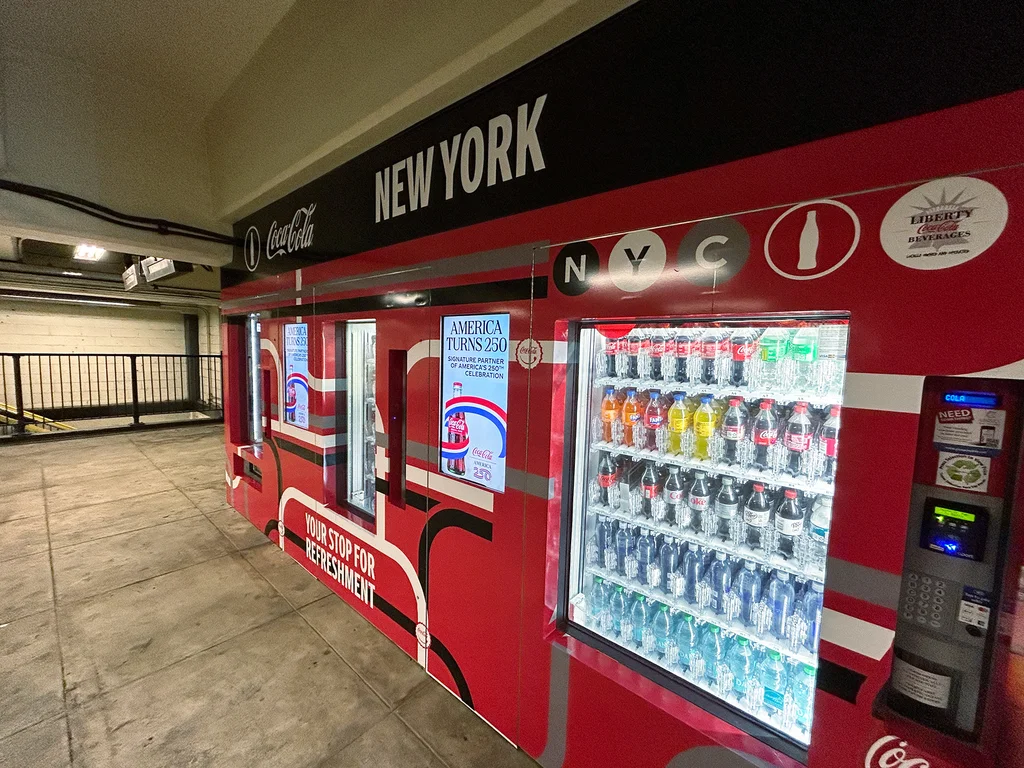
The large machines fill an entire storefront, each wrapped in Coca-Cola-themed branding, and sit flush against the wall. (There’s no shaking or tilting them to try to score a freebie.) Aside from being cashless, they work like a usual vending machine: You type in a product code, pay, and collect the item.
The tap-to-pay method not only boosts efficiency for commuters in a rush, but also allows the machine to run 24-7, unlike newsstands people operate.
“More than a third of our sales happen between 7:00 p.m. and 6 a.m.—that’s the late night and overnight worker, the person heading home late, the rider with no other option,” Saadia says. “Everything is tap-and-go and takes under 10 seconds, because someone with a train coming isn’t willing to wait. It’s open when nothing else is.”
Staff routinely restocks machines every few days to keep up with demand. An automated diagnostics system will, presumably, help the machines run smoothly and alert the operators when they need to be fixed.
CC Vending first contacted the MTA with the idea back in 2019, but the pandemic slowed down the project.
“The request for proposals reopened, closed, and reopened again in 2022 and 2023. I’m not sure many others would have stuck with it, but here we are with machines up and running all those years later,” Saadia says.
The machines are already a hit among commuters. In its first day, the 23rd Street station quickly sold out of its products. In the future, CC Vending says it may add a wider range of goods, like the electronics or health and beauty products that airport vending machines offer.
A machine that can withstand New York
Designing a vending machine that can handle the subway’s heavy foot traffic was a challenge. The units also needed to meet the MTA’s stringent requirements for safety.
“Nothing about this is off the shelf. Every enclosure was designed and engineered specifically for the challenging conditions underground,” Saadia says. “The MTA’s real estate team has been outstanding to work with. Rigorous, thorough, and genuinely invested in getting this right for riders.”
The CC Vending team had to resort to industrial grade metal enclosure on the machines, protecting them from the city’s harsh weather as well as deterring bad actors from vandalizing the equipment. As of August 21, there had been no recorded vandalism of the machines.
In addition to durability, the machines needed to protect something else: customers’ time. Cashless transactions allow purchases to be made in just seven seconds.
A more livable city
Beyond selling refreshments, the vending machines are part of a broader initiative to make the city more hospitable to its residents.
A large steward in this trend has been the MTA’s Vacant Unit Activation Project, which has allowed various artists to take over abandoned spaces and transform them into their own artistic platforms.
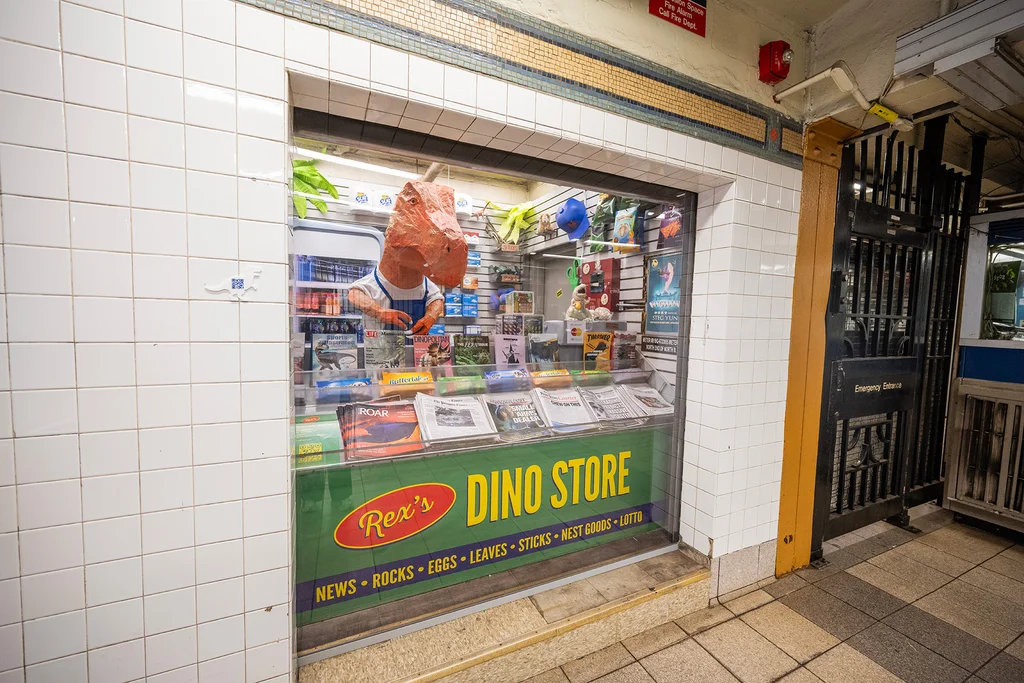
Rex’s Dino Store stand at the Grand Army Plaza station parodies an actual newsstand. A hand-crafted 7-foot tall papier-mâché orange dinosaur named Rex stands behind the counter, where he sells print issues of Dinopolitan Magazine and snacks like “Dinoritos.” Nothing is actually for sale; the installation is enclosed by glass.
At The Soundbooth, in the 81 Street/Museum of Natural History station, musicians play inside a former storefront for commuters waiting for their trains.
And in one of the city’s most transited stations, West 4th Street, a one-year lease allowed for a takeover of a kiosk by the free zine Public Transport Magazine. The structure is wrapped in a transit-themed cartoon mural. The kiosk will also feature a Photo Booth, puppet shows, and even giveaways.
As far as the vending machines go, the project reacts to the city’s diverse schedule. From artists to finance bros, and all the in-between—almost anyone will need to use the subway at some point, at any time of the day.
“The subway moves more than a billion trips a year, and those vacant spaces were screaming opportunity to me. A chance to serve the everyday New Yorker on their daily commute,” says Saadia of CC Vending. “This seems like a small thing, but these small things add up to how a system and a commute feels.”