
Political branding’s most infamous punctuation mark launched decades before you think
 Business Economic Syndicated News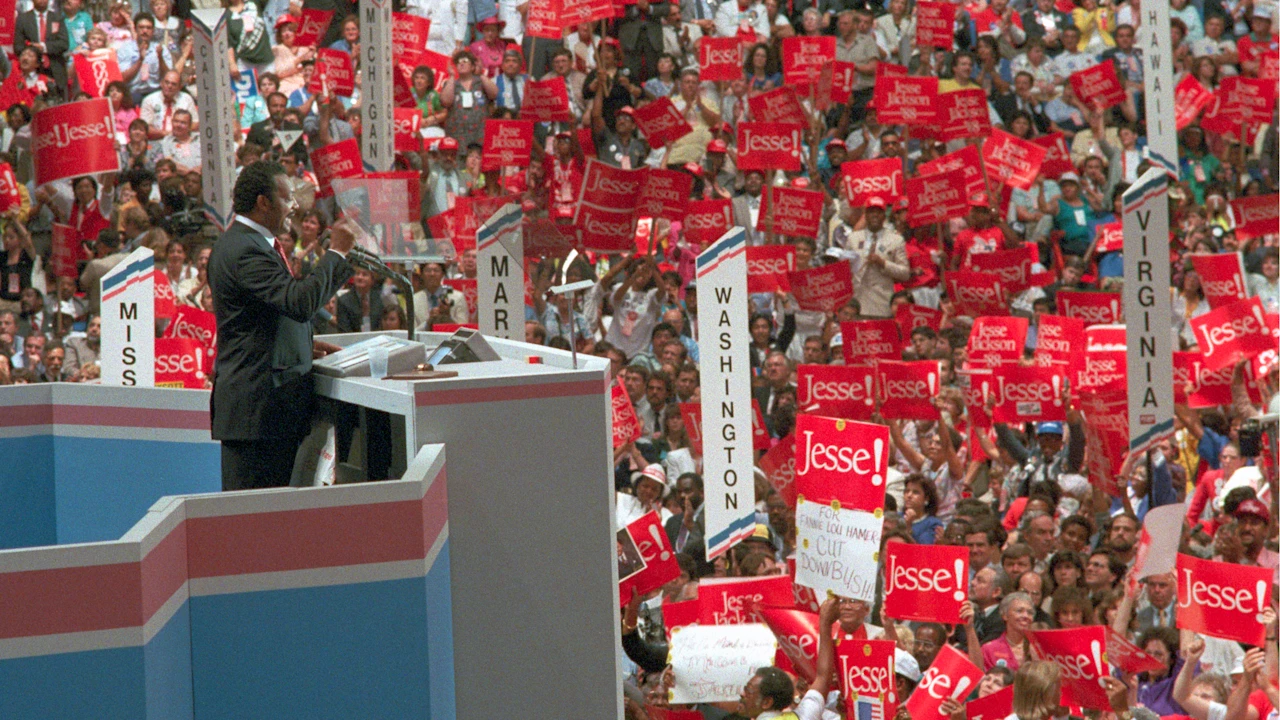
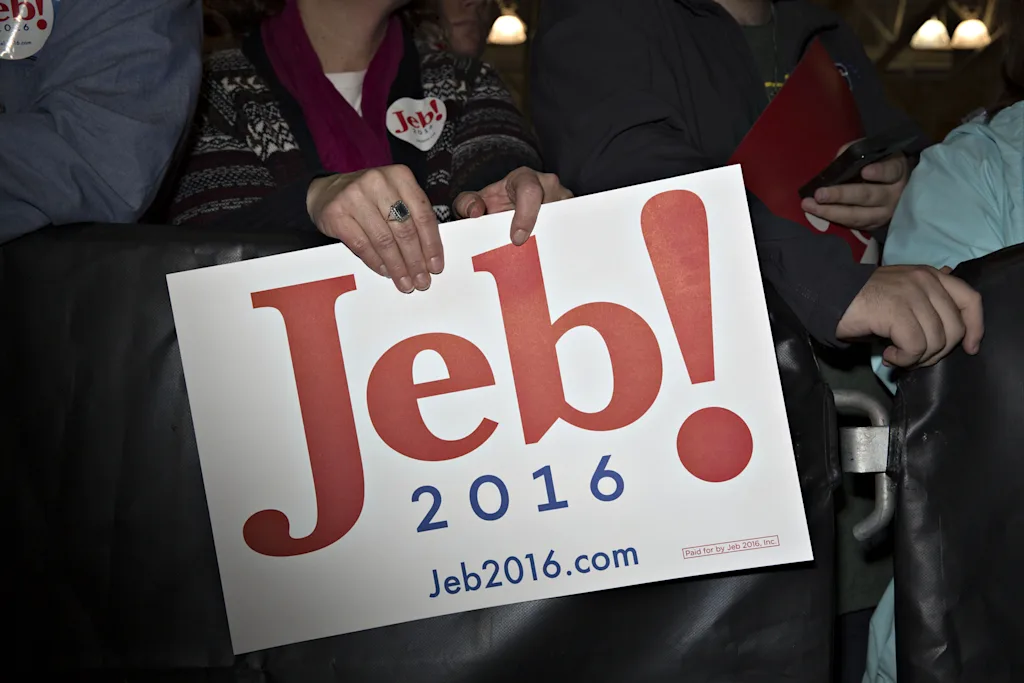
Former Florida Governor Jeb Bush’s 2016 presidential campaign is remembered a decade on for the exclamation point in its “Jeb!” logo, but Jesse Jackson’s campaign actually used the punctuation 28 years before him.
Jackson, the civil rights activist who died Tuesday at the age of 84, ran for president twice, in 1984 and 1988. At the 1988 Democratic National Convention, his supporters held red signs that said “Jesse!” in white.
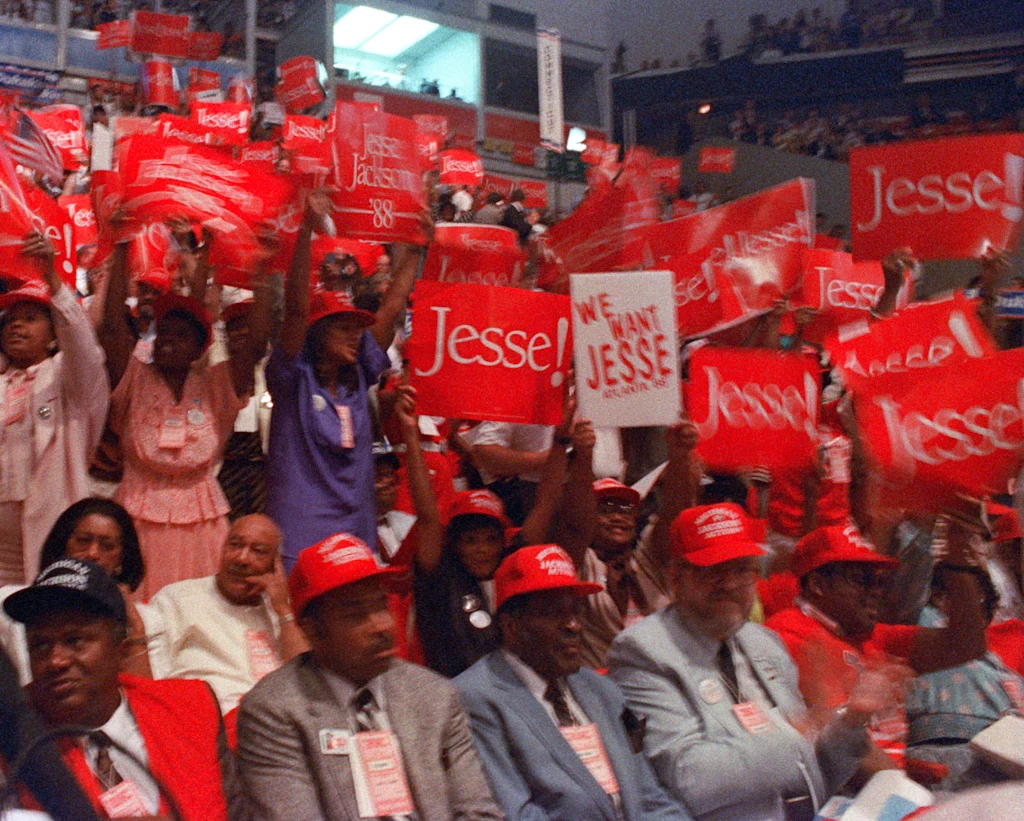
Jackson came in second in the 1988 primary with nearly 30% of the vote against the party’s nominee Michael Dukakis, and since then, candidates from Bush to 2012 Republican presidential candidate Mitt Romney and former U.S. Sen. Lamar Alexander, a Tennessee Republican, have used the punctuation mark in their logos to give their names some added emphasis.
Though Jackson never held political office, the visual brand of his historic campaigns still resonates today for standing out in a sea of sameness.
A protege of Martin Luther King Jr., Jackson was the founder of the civil rights nonprofit Operation PUSH (People United to Serve Humanity) when he announced his campaign in 1983 without any experience in elected office and became the first Black presidential candidate for a major party since Shirley Chisholm.
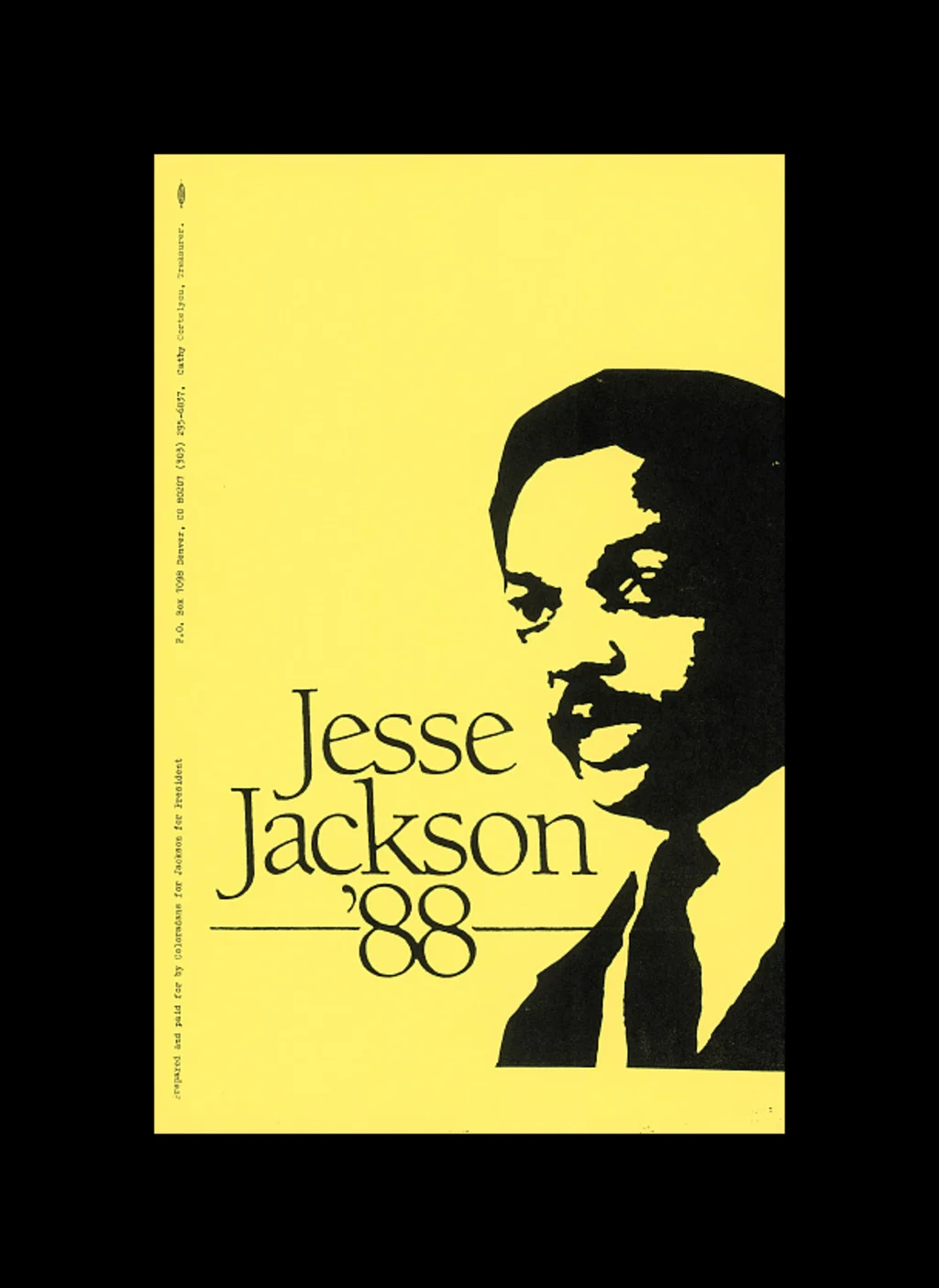
Jackson’s exclamation mark logo was far from the only logo used in support of his presidential campaigns in a time before standardized, consistent branding was expected for political campaigns. He campaigned in serifs and sans serifs, and sometimes in bright yellow, a color that signaled a break from the standard red, white, and blue color palette of U.S. politics at the time. His campaign used slogans like “Now is the Time” and “Keep Hope Alive.”
During a speech at the 1984 Democratic National Convention, Jackson explained his idea of the nation as a rainbow, a symbol that became associated with his candidacy and advocacy. “Our flag is red, white, and blue, but our nation is a rainbow—red, yellow, brown, black, and white—and we’re all precious in God’s sight,” he said.
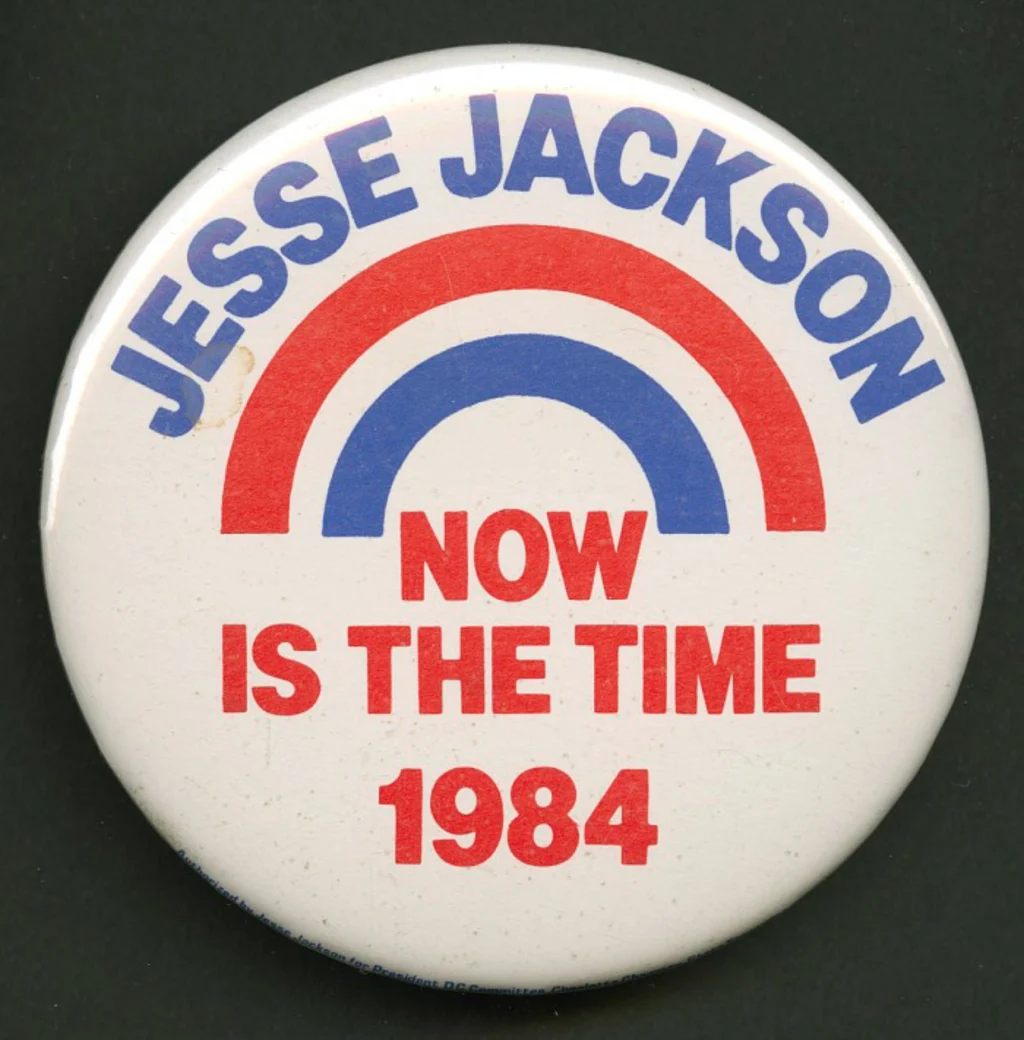
That message, along with Jackson’s push to build a “rainbow coalition” that transcended racial and class lines, inspired rainbow-themed buttons and ephemera.
Buttons depicted rainbows that were red, white, and blue or the full ROYGBIV spectrum. In the window after designer Gilbert Baker designed the Pride flag in 1978 but before the rainbow became as closely associated with the LGBTQ movement as it is now, Jackson’s political brand made the symbol its own.
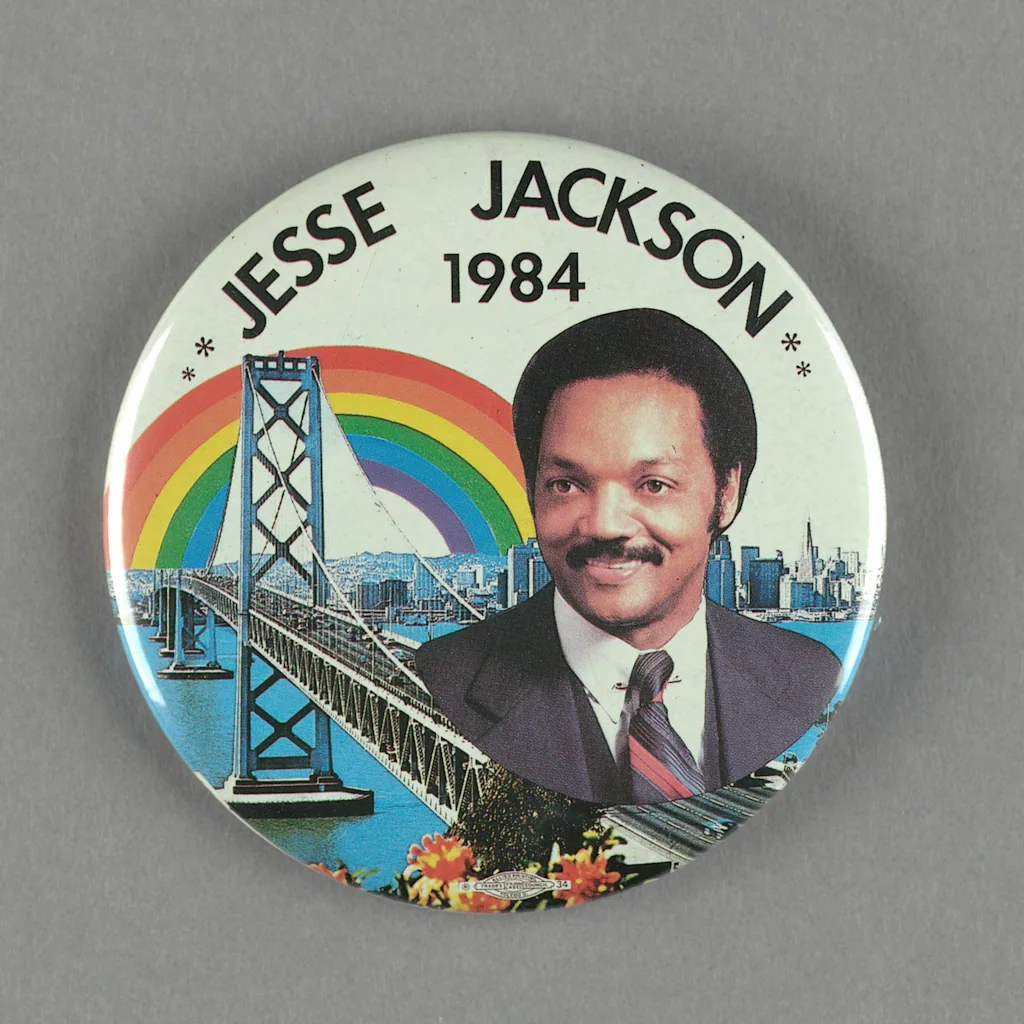
Jackson’s political branding remains an inspiration today for candidates and designers looking for a more unconventional political aesthetic, from added punctuation or color schemes that break from tradition.
The Jackson political brand has also proven strangely popular overseas. A K-pop star wore a shirt in a 2018 music video showing Jackson’s 1988 campaign logo, and Jackson ’88 tees for a time became a trend in Asia. It wasn’t about Jackson, specifically, but about the generic look of a nostalgic American political logo. A candidate unlike any other, Jackson had a visual brand that stood apart at the time. Today, it just looks all-American.