
More output isn’t better business: Workday’s CFO Zane Rowe on how finance chiefs should really measure AI
 Tomas Kauer
Good morning. For Workday CFO Zane Rowe, the promise of AI isn’t just about automating tasks. It’s about giving employees the freedom to rethink how they work, uncover new insights, and add more value to the business.
Rowe recently reviewed a list of 10 AI agents being developed by his tax team to improve how employees work. Not every agent will make the cut. But the projects offer a glimpse into how the enterprise software company is exploring agentic AI internally, he told me.
Workday’s finance transformation team is part of that strategy. The group works with the company’s research and development and business technology teams to test its own products and explore other technologies. It also engages with customers to exchange feedback and learn how finance organizations are adopting AI, he said.
Workday puts AI agents to work across finance
Rowe sees two major opportunities: improving business insights and redesigning processes from end to end.
On the first front, Workday is expanding Decision Intelligence beyond Adaptive across its portfolio to HR and finance. The tool helps finance teams understand what’s driving business performance, test different scenarios, and assess the potential impact on the company, he said.
For example, finance teams can model what would happen if they hired more or fewer people in certain parts of the world or in particular business areas, then forecast the impact on the company, Rowe said.
“It’s a whole way of identifying how we think about planning; it’s not just forecasting,” he said.
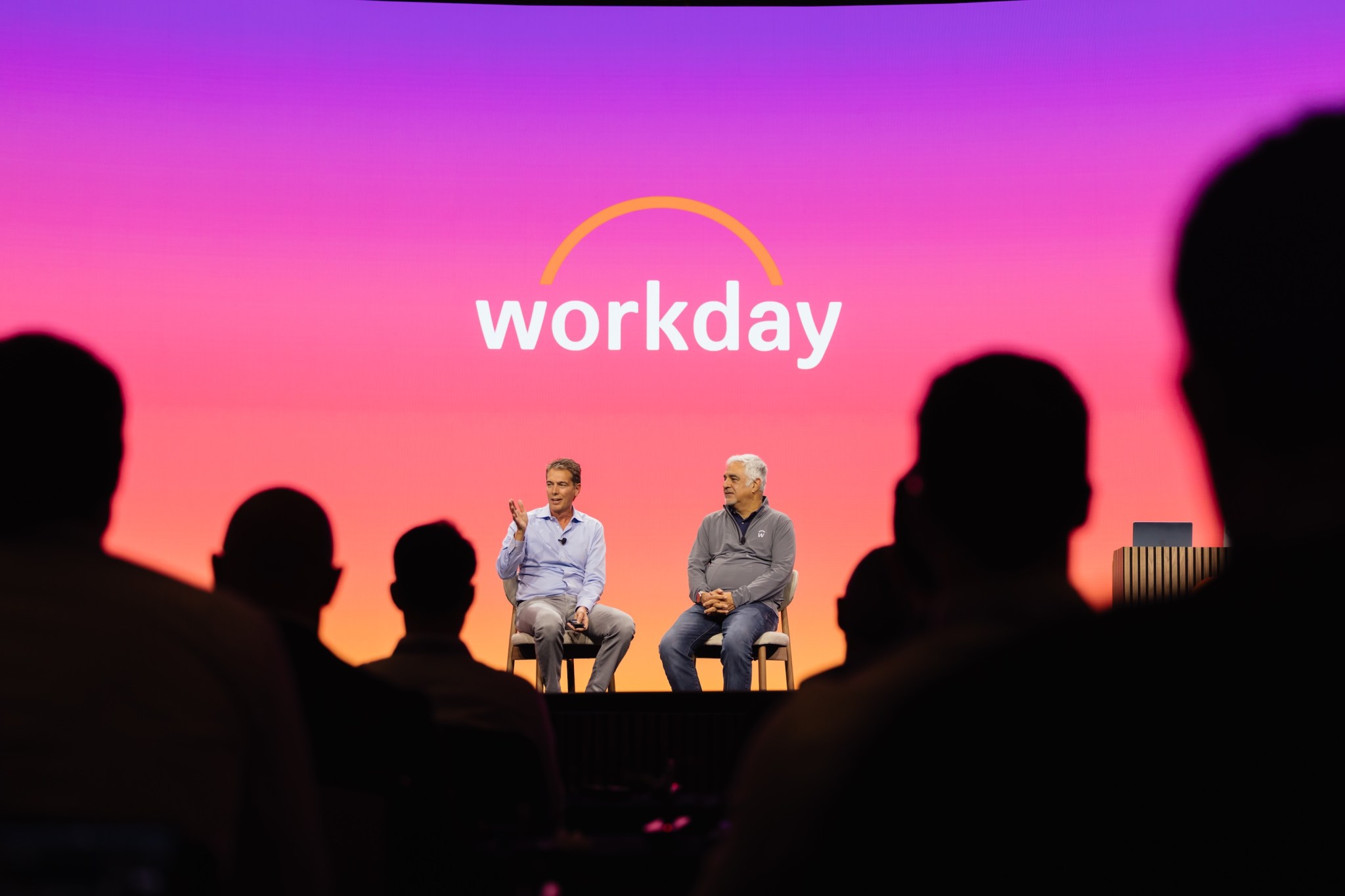
At its annual Rising event last week, Workday also announced new “autopilot agents” designed to automate routine workflows across accounting, payroll, and hiring; an expanded “Trusted Agent Platform” for building and deploying custom AI agents; and a new partnership with Anthropic to connect their platforms and agentic experiences.
The announcements come as Workday, a Fortune 500 company, enters a new chapter under co-founder Aneel Bhusri, who reclaimed the CEO role in February and began what the company calls its “refounding” chapter. “Great companies are not built on one generation of technology. They pass the test of time,” Bhusri told Fortune’s Editor-in-Chief Alyson Shontell on the latest episode of the Fortune 500 Titans podcast.
Why AI’s value goes beyond efficiency
As CFOs become key strategic partners to CEOs in shaping AI strategy, I asked Rowe how he measures the success of AI investments.
“I always hear people talk about ROI, and I think it’s so much more than that,” he said.
Rowe described an outcome-based approach to measuring AI’s impact. ROI remains important, but success is ultimately defined by better work, stronger decisions, greater organizational capacity, and improved customer value.
For example, AI might enable a finance team to generate twice as many reports, but that alone doesn’t necessarily make the business better, he explained. A more meaningful measure is whether the team can use AI to uncover insights, anticipate problems, advise business leaders, and improve decisions.
The shift he describes moves people away from simply producing information and toward using it to drive the business forward.
“CFOs are leaning in on: How do we make sure the teams are motivated and engaged?” he said. “It’s not just about finding efficiencies. It’s about people actually doing the work that they thought they were going to do when they signed up to join a company.”
Sheryl Estrada
Sheryl.Estrada@fortune.com
This story was originally featured on Fortune.com