
Meta quietly delays controversial update that critics say will allow website scraping
 Business Economic Syndicated News
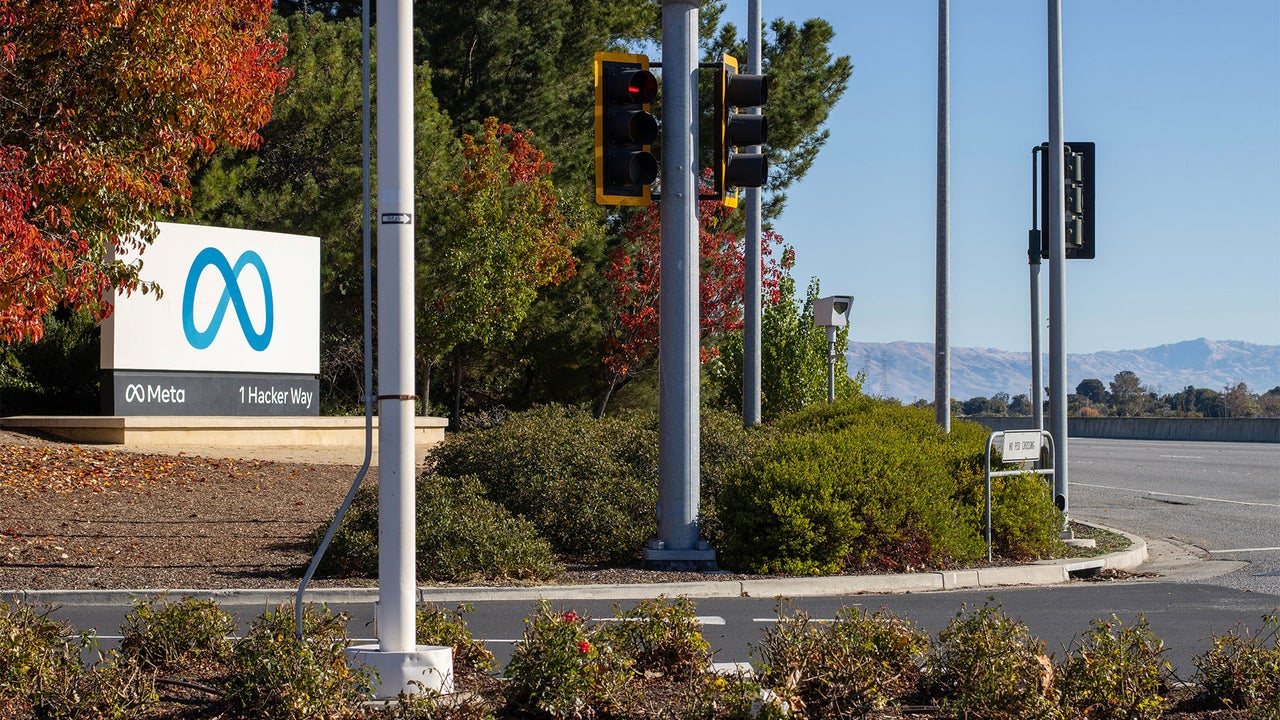
Earlier this month, Meta Platforms announced controversial new commercial terms of use for business accounts that critics said would give the social media giant broad authority to crawl and scrape web content associated with those accounts.
The new commercial terms—met by strong outrage from news publishers that produce online content and rely on Meta’s platforms for distribution—were set to go into effect on Friday, October 30.
Now, without any notice, Meta has pushed back the date of the change by three weeks to Friday, November 20. The delay comes one day after a major trade group for news publishers sent a letter to CEO Mark Zuckerberg demanding that the forthcoming terms be withdrawn.
Despite the delayed date, the controversial language in the updated terms appeared to still be intact as of Friday.
“We are extending the effective date of our updated Commercial Terms and Self-Serve Ad Terms to November 20 to allow more time for us to explain to our partners and stakeholders what’s changing and what’s not,” a Meta spokesperson told Fast Company when reached for comment, “including how Meta uses web crawlers and the fact that content owners will still be able to use robots.txt to signal preferences.”
Why news publishers are angry about the terms
On October 15, Nieman Lab broke the news of Meta’s AI-centric update, hidden deep in a forthcoming change to its commercial terms of use.
Publications, most of which are deeply integrated in Meta’s platforms as part of their business, have since expressed anger at the idea of their content being scraped up by Meta for use however the company chooses.
Could Meta scrape content from behind a paywall? Could it take publications’ content and use it to compete with them?
The company seemingly backed everyone quickly into a corner, leaving publishers the option to redo a significant part of their business or give in. “If you do not agree to the updated terms, you may stop all access or use of our Products for business or commercial purposes,” Meta states in the updated terms of use.
Meta owns Facebook, Instagram, Threads, and WhatsApp.
Meta removes the word “train”
Two days later, Meta relented, albeit slightly.
It removed the word “train” from the earlier sentence on ways it would use the content. The tech giant also limited use to “advertising and business products.”
At the time, a Meta spokesperson told Nieman Lab that the update was because “it wasn’t clear in the initial consolidation of terms that robots.txt preferences are respected. News sites, like all other content owners, still have the ability to disable the crawler via robots.txt flags. That has been the case, and it has not changed.”
Yet, there’s no actual wording in the terms of use that protects these options. Media and intellectual property attorney Matt Topic told Nieman Lab he thinks the word “‘develop’ is broad enough to include ‘train.’”
Trade group sends open letter to Zuckerberg
On Thursday, October 22, the News/Media Alliance, which represents over 2,000 publications, wrote an open letter to Zuckerberg demanding that the company withdraw the updated commercial terms of use before they go into effect.
The letter points to concerns that Meta will use publishers’ own content to compete with them, while giving them minimal ability to use Meta’s services and block ad crawlers. It further states that the new terms of use “grant Meta the right to exploit, without prior permission or fair compensation, journalism”
“These harms threaten the financial viability of the free press,” the letter, signed by News/Media Alliance president and CEO Danielle Coffey, further states.
It continues: “Once Meta has copied publishers’ content and built it into its products, the harm will be practically impossible to undo.”
You can read Meta’s updated commercial terms here.
This story is developing…