
Bringing ‘Big Food’ energy to a Travis Kelce-backed cult brand
 Business Economic Syndicated News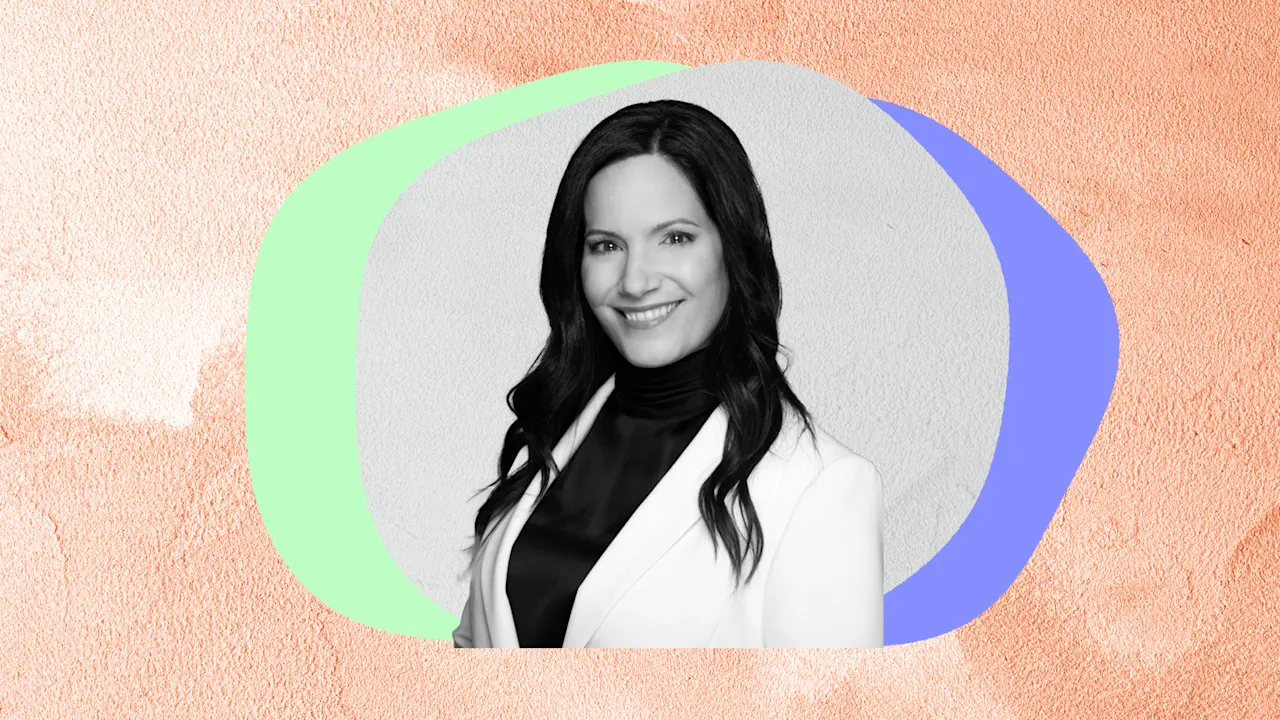
Hello and welcome to Modern CEO! I’m Stephanie Mehta, CEO and chief content officer of Mansueto Ventures. Each week this newsletter explores inclusive approaches to leadership drawn from conversations with executives and entrepreneurs, and from the pages of Inc. and Fast Company. If you received this newsletter from a friend, you can sign up to get it yourself every Monday morning.
When Valerie Oswalt became CEO of breakfast and snack products company Kodiak in November 2022, she inherited a fast-growing business with beloved products, dedicated employees, and an outdoorsy vibe, befitting its Park City, Utah, headquarters. She also walked into a company that needed to bolster the talent, tools, and systems needed to scale the company.
Her challenge: bring the discipline and knowledge she’d acquired during leadership stints at consumer packaged goods (CPG) giants such as The Campbell’s Company and Mondelēz International without losing the nimbleness and authenticity that had made Kodiak a household name. “It was a powerhouse brand that had a startup mindset,” Oswalt recalls.
A recipe for success
Kodiak has classic entrepreneurial roots. Founder and former CEO Joel Clark started selling his mother’s homemade whole-grain pancake mix as an 8-year-old. The company catapulted to national attention when an episode of ABC’s “Shark Tank” featuring Clark and cofounder Cameron Smith aired in 2014. Kodiak passed on a deal with the Sharks, but the publicity and the launch of protein-packed pancakes boosted sales.
Private equity firm L Catterton acquired Kodiak in 2021, and Oswalt became CEO 17 months later, replacing cofounder Clark, who remains chairman of the company’s board of directors.
To support Kodiak’s growth, Oswalt, who ran Campbell’s $4 billion snack division prior to joining Kodiak, brought in leaders with key experience in certain areas. She revamped the performance review process and instituted a new incentive plan tied to financial outcomes. (All 160 full-time employees have equity in the company.) “There were more processes that needed to be put in place than I had originally anticipated,” she recalls.
Still, she was mindful of the impact change would have on the company’s entrepreneurial culture. “I did listening tours,” she says. “I talked to every person in the organization. It took about six months, but that was really important.” From there, her team identified the gaps, explained the rationale behind changes, and celebrated wins.
She also course corrected when her changes were “too heavy” for an organization Kodiak’s size, such as when she rolled out a robust integrated business planning process to help gain insight into inventory and cash flows, plus do forecasting and planning. The fix was to listen to feedback and provide more training. “We wanted to ensure the proper education was provided to effectively” use the tools, she says.
On a roll attracting celebrity investors
Meanwhile, Kodiak has kept its in-house creative team, which handles all design, photography, and videography. Because the creatives are all employees, Oswalt says they are intimately familiar with the brand, which helps Kodiak retain an authentic voice even as it grows. She also notes that the team can quickly test and make design changes.
Oswalt’s moves appear to be paying off. Last year, the company’s retail sales value hit $580 million, up 30% from 2023, Oswalt’s first full year in the role. “Valerie is building the kind of brand that earns deep loyalty—one that sits at the intersection of performance, trust, and culture,” says Mark Patricof, whose sports-focused investment firm invested in Kodiak in 2022. Athletes who participated in the round include football stars Travis Kelce and Joe Burrow, who have teamed up with Kodiak to donate meals in Kansas City and Cincinnati, respectively. Investors also include tennis player Sloane Stephens and baseball legend CC Sabathia.
“That’s a big reason Kodiak has connected so well with our athlete investors, who recognize the authenticity of the mission. Each of our athlete clients who came into this deal have told me time and again how proud they are to be investors in Kodiak,” Patricof says.
I asked Oswalt what advice she might have for other corporate executives thinking of making the move to a more entrepreneurial brand. “You have to be scrappy. It gets messy,” she says. “If you’re inspired by overcoming challenges and being connected—to your people, your consumers, your suppliers, your customers—then it’s awesome. And if you can find partners who are aligned with your priorities and your values, it’s absolutely magical.”
Go big or go small
What’s your experience bringing big-company discipline to a smaller organization—or vice versa? I’d love to hear what’s worked and what hasn’t. Send examples to me at stephaniemehta@mansueto.com. I’ll publish the best examples in a future newsletter.
Read more: from big to small
- What Alicia Boler David had to ‘unlearn’ from Amazon
- Inside the founder factory known as Palantir
- Laid off from Big Tech, these are the rebounder founders