A popular ice cream brand sold at Walmart and Kroger files for bankruptcy after ‘trade dress’ lawsuit
 Business Economic Syndicated News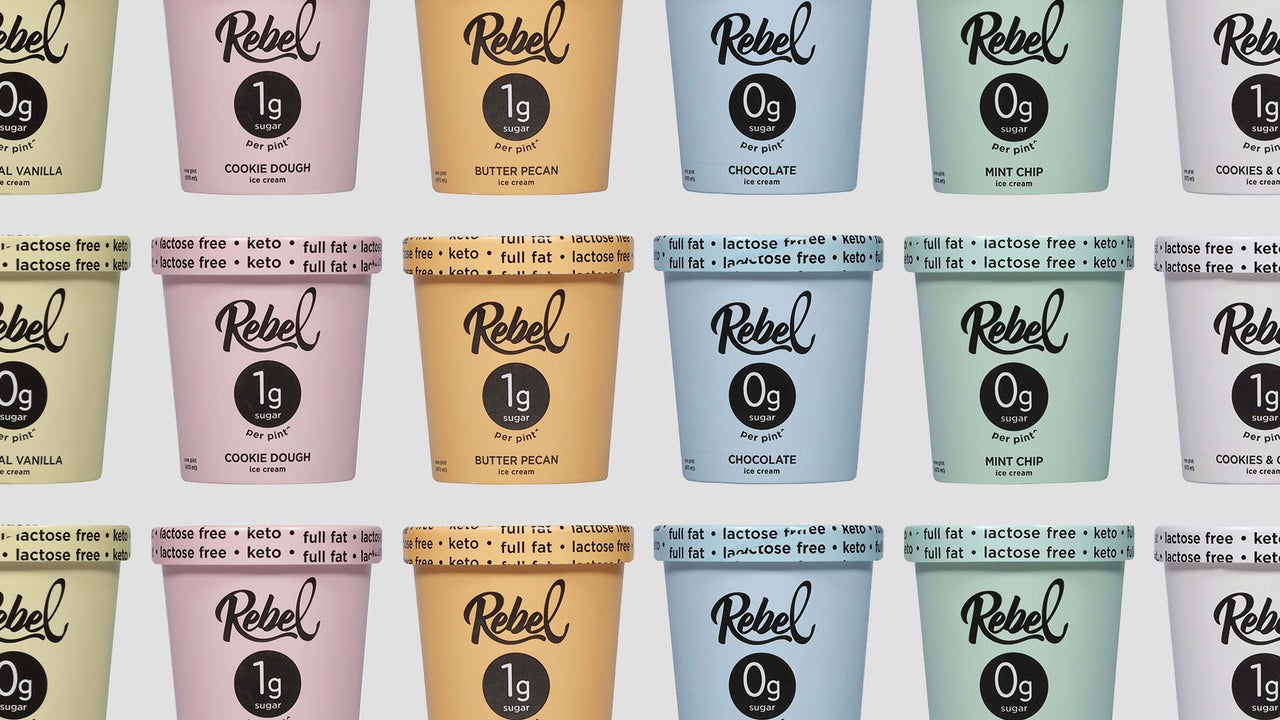
A years-long lawsuit between two ice cream brands, Van Leeuwen Ice Cream and Rebel Creamery, has come to a possible end, with a federal judge ruling that Rebel infringed Van Leeuwen Ice Cream’s trade dress, and ordering that Rebel owes Van Leeuwen tens of millions of dollars.
But now, Rebel is seeking Chapter 11 bankruptcy protection while it appeals the judgment. Here’s what you need to know.
What’s happened?
Rebel Creamery, the keto-friendly ice cream brand sold at Walmart, Kroger, and other grocery stores across the country, has filed for Chapter 11 bankruptcy protection roughly a month after U.S. District Judge Eric Komitee ruled that Rebel had infringed on competitor Van Leeuwen’s trade dress.
As a result, Komitee ruled that Rebel must pay Van Leeuwen $23.8 million and change its packaging, reports Yahoo News.
Of the two ice cream brands, Van Leeuwen’s is arguably the better-known, having been founded about 18 years ago.
The company operates a chain of ice cream parlors in more than a dozen states and sells its ice cream to retailers across the country. Its pints, dressed in pastel colors with black script, can be found in grocery stores across the country.
Rebel is the newer of the two brands. It began its life on Kickstarter in late 2017 and focuses on making keto-friendly, zero-sugar ice cream.
However, Rebel’s packaging also contains pastel colors and black script, and that similar design led Van Leeuwen to sue the company for trade dress infringement in 2021. That case has now been concluded, with Rebel having been found to have infringed on Van Leeuwen’s trade dress.
What is a trade dress?
Most people know what a trademark is: a legally protected name and/or logo. Think “Coca-Cola” or the Nike swoosh. If a company owns a trademark, other companies can’t use it.
A trade dress is similar to a trademark, but instead of protecting a name or logo, a trade dress protects the overall look of a product, such as a product’s packaging.
As Yahoo News notes, Van Leeuwen’s trade dress—the sparse, pastel packaging with the company’s name in black lettering—has been in use since around 2016. When Rebel’s products went on sale a few years later, its packaging was also very similar: sparse, with pastel colors and the company’s name in black lettering.
Van Leeuwen sued, alleging that Rebel copied the look of its packaging and that resulted in customers and even grocery store workers confusing the two brands, which Van Leeuwen said cost it tens of millions in sales. Last month, the United States District Court for the Eastern District of New York ruled in Van Leeuwen’s favor.
Why did the court rule against Rebel?
It’s entirely possible that two companies can independently develop the same aesthetic for their products without knowledge of each other’s look. But at trial, the presiding judge ruled that this was not likely what happened in Rebel’s case.
In short, Van Leeuwen was able to produce detailed records and files of the origins of its trade dress look from 2016, when the company hired a design firm to develop its packaging and aesthetic.
Rebel’s founders, on the other hand, said they designed Rebel’s packaging themselves without the help of a design firm. But as noted by Yahoo News, they said they no longer had files showing the evolution of their trade dress, only the final file. As a result, the judge ruled in Van Leeuwen’s favor.
Rebel Creamery files for bankruptcy
The judge ordered that Rebel must change its packaging and also pay Van Leeuwen nearly $23.8 million.
However, the ultimate outcome of this ice cream battle is far from certain. That’s because Rebel is now appealing the case and, in the meantime, the company has filed for Chapter 11 bankruptcy, which prevents creditors from collecting money owed.
Rebel’s bankruptcy filing shows Van Leeuwen’s unsecured claim of $23,785,000 as the largest claim on its books. However, the filing lists this claim as “Disputed.”
The bankruptcy also allows Rebel to continue operating, meaning it can keep selling its ice cream as it reorganizes under Chapter 11. Ultimately, however, the main thing determining what kind of future Rebel will have is the outcome of its appeal.
Fast Company has reached out to Rebel Creamery and Van Leeuwen for comment. We will update this story if we hear back.